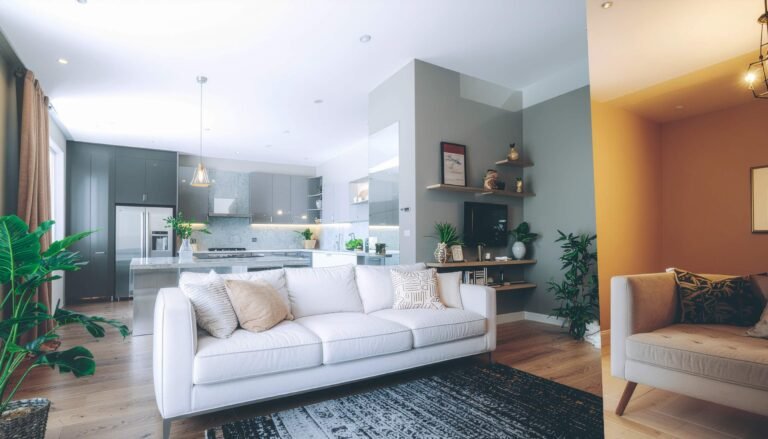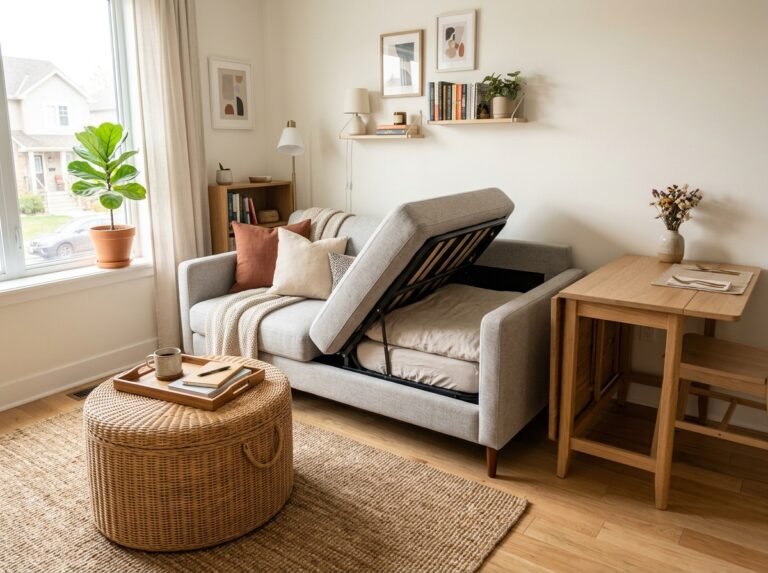
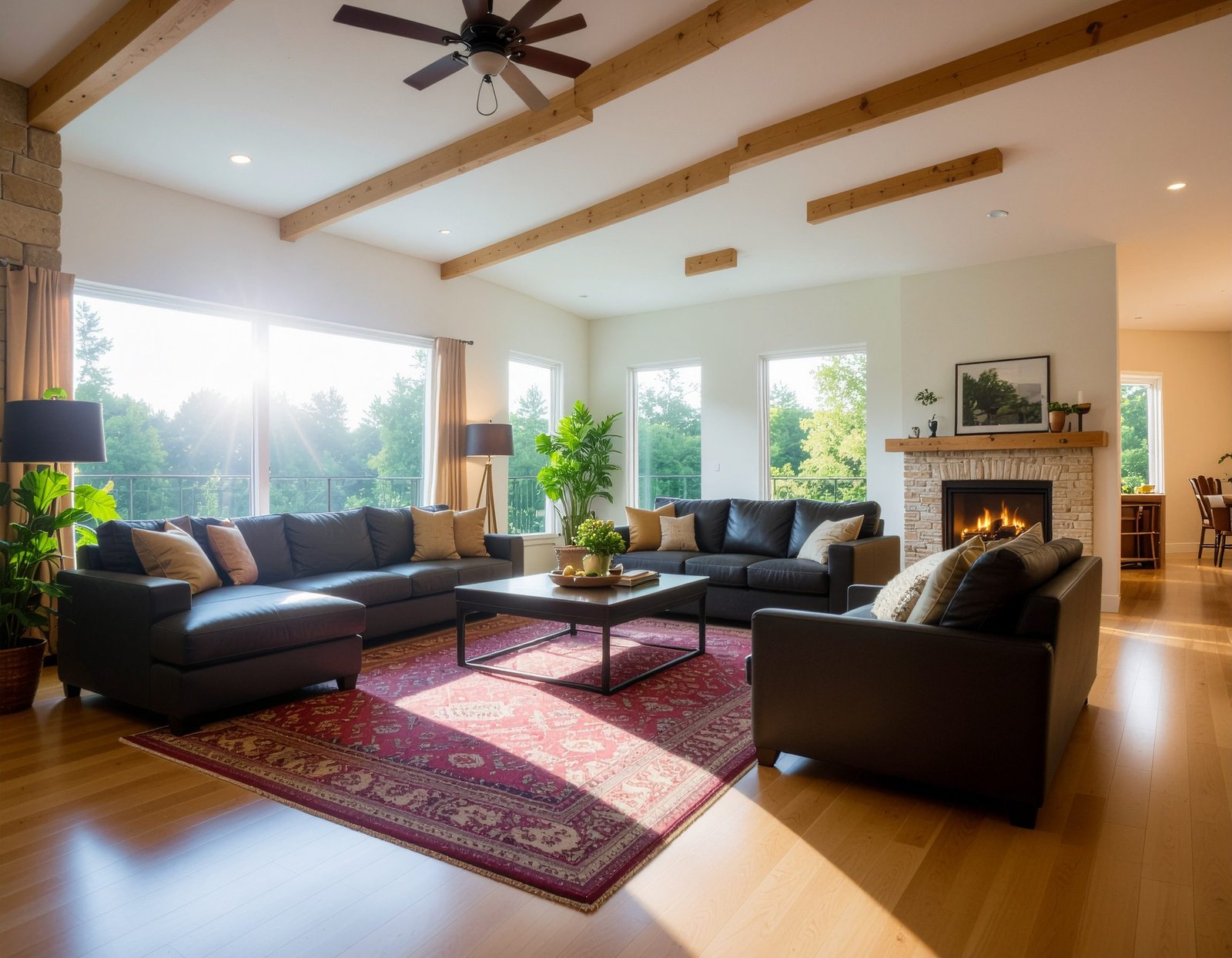
How to Arrange Furniture for the Perfect Living Room Layout
There is something so satisfying about walking into a living room that just feels right, where everything flows and invites you to relax. Learning how to arrange furniture for the perfect living room layout is honestly easier than most people think. Trust me, with a few simple principles, you can transform even an awkward space into a cozy, functional haven.
What I love about rearranging a room is that it often costs absolutely nothing. You can completely change how a space feels just by moving what you already own. So before you rush out to buy new furniture, let us see what magic we can work with your current pieces.
In this guide, I am walking you through twelve practical steps to nail your layout. So grab a notepad, maybe a measuring tape, and let us create a living room you will adore coming home to.
Start by Measuring Your Space
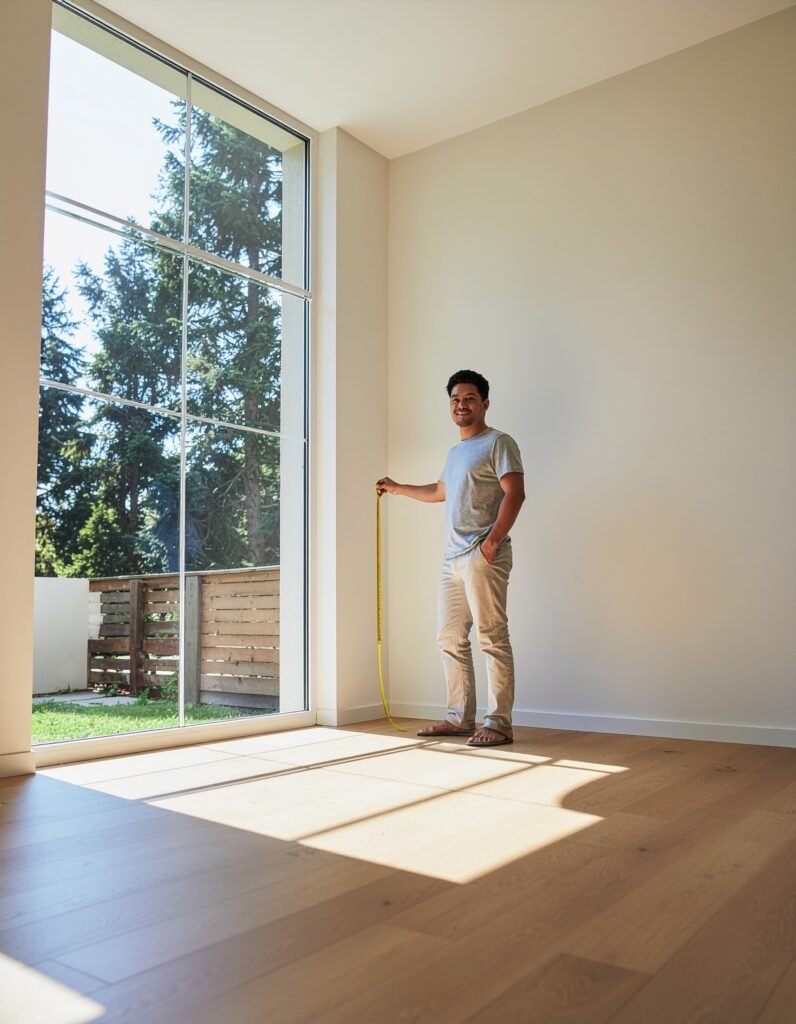
Before you move a single chair, it really pays to measure your room properly. Knowing your exact dimensions saves you so much guesswork and frustration. So grab a tape measure and jot down the key numbers.
Measure the length and width of the room along with any tricky features. Note where windows, doors, radiators, and outlets sit too. As a result, you can plan around these fixed elements rather than fighting them.
It also helps to measure your furniture while you are at it. This way, you know exactly what fits where before you start lifting. So you avoid that exhausting trial and error of shoving heavy pieces around.
Identify Your Focal Point
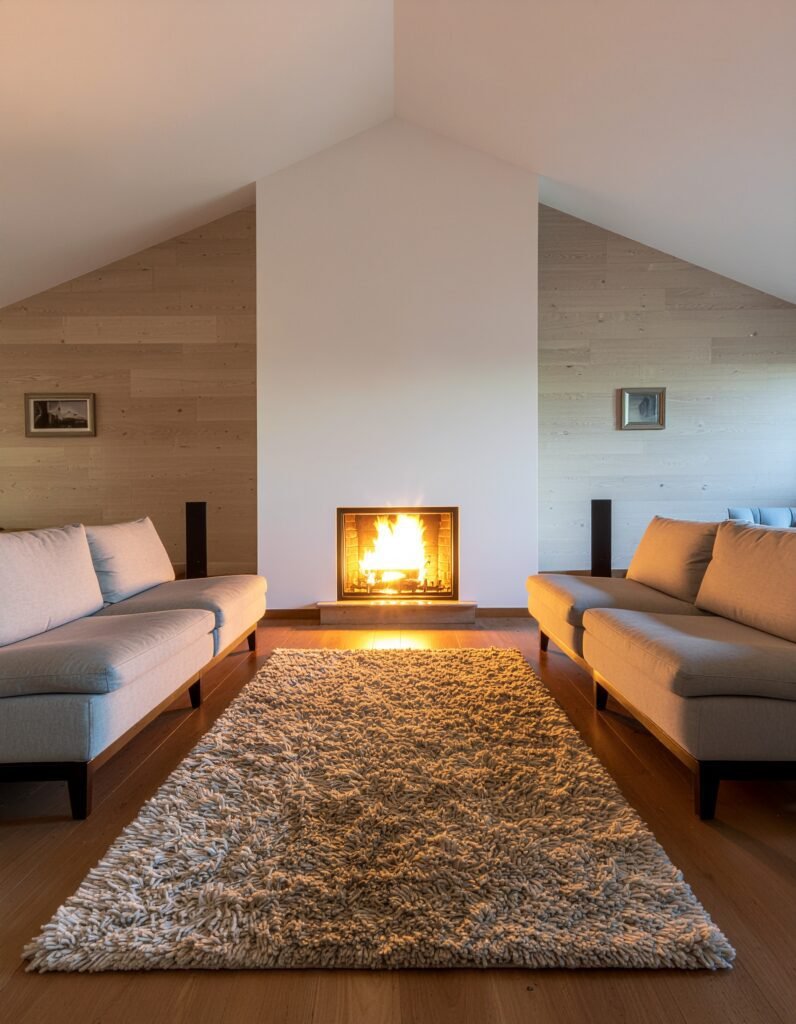
Every great living room has a clear focal point that anchors the whole space. This is the feature your eye naturally lands on when you walk in. So identifying yours is a key step in how to arrange furniture for the perfect living room layout.
Your focal point might be a fireplace, a large window, or a television. Sometimes it is a piece of art or a beautiful feature wall. As a result, you have a natural starting point to build your arrangement around.
Once you know your focal point, you can orient your furniture toward it. This creates a sense of purpose and balance in the room. So everything feels intentional rather than randomly placed.
Create a Conversation Area
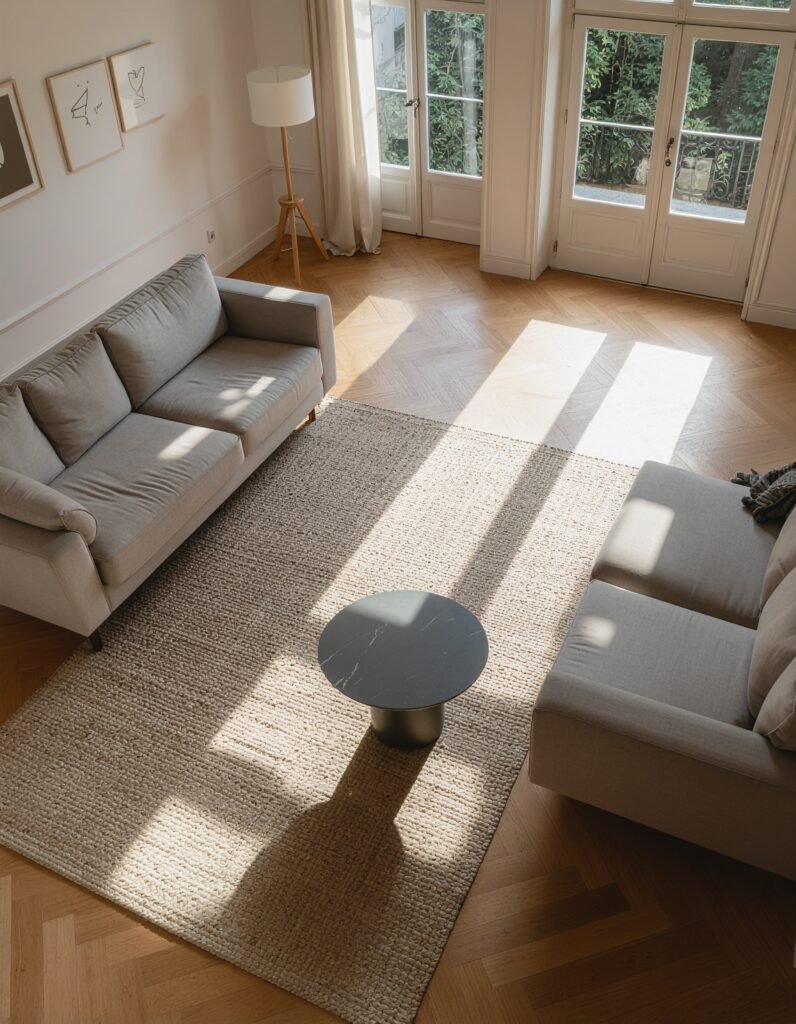
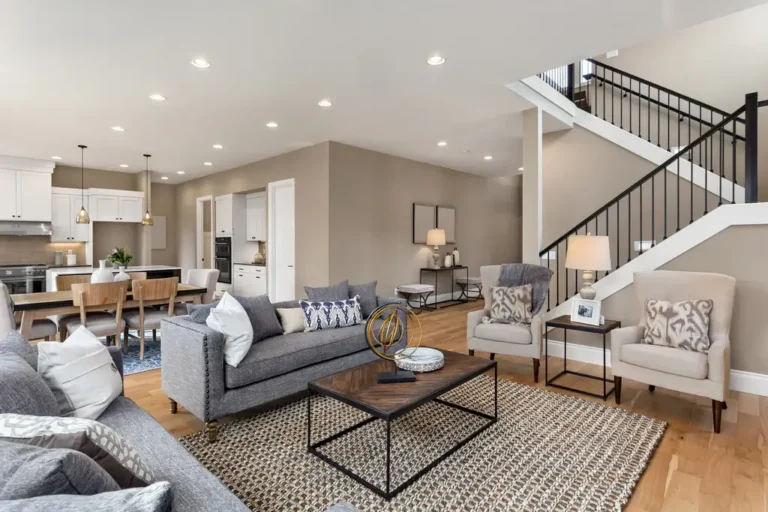
A living room is meant for connection, so creating a conversation area matters hugely. The goal is to arrange seating so people can chat comfortably. So think about how you and your guests actually use the space.
Position your sofa and chairs facing each other or at gentle angles. Keep them close enough that talking feels easy and natural. As a result, your room becomes warm, welcoming, and perfect for gatherings.
Avoid pushing all your furniture flat against the walls, which is a common mistake. Pulling pieces inward creates a cozier, more intimate feel. So do not be afraid to float your furniture in the room.
Give Your Furniture Room to Breathe
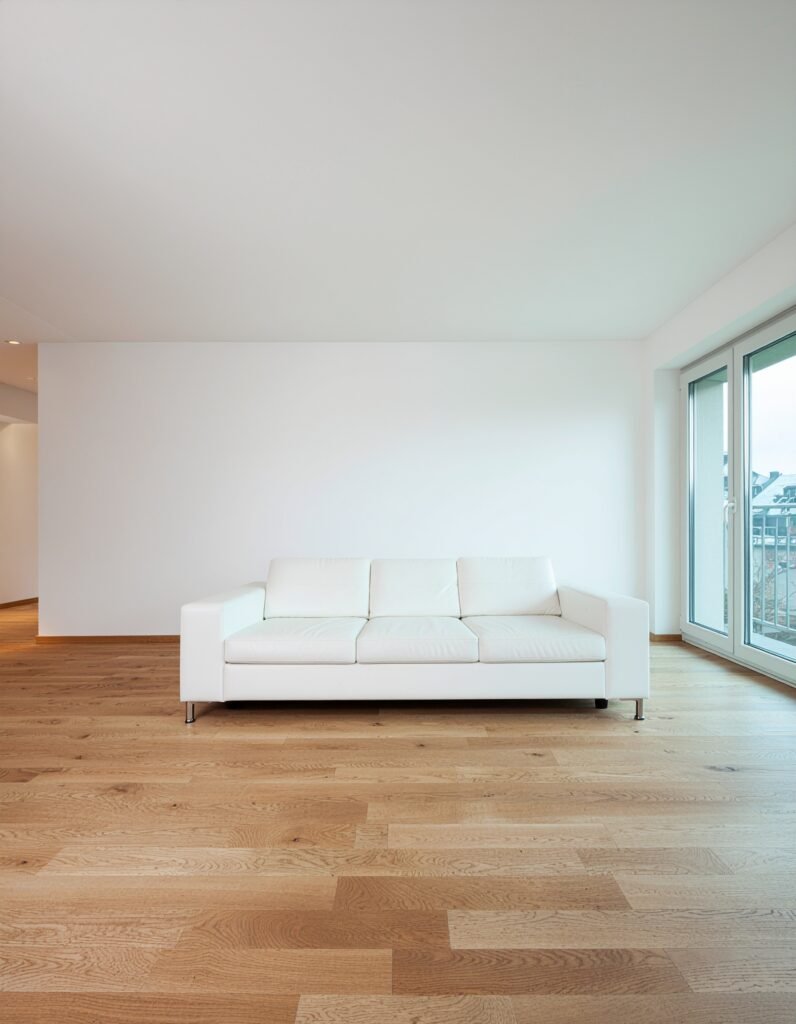
Cramming too much furniture into a room makes it feel cluttered and tense. Giving your pieces space to breathe is essential for a relaxed layout. So resist the urge to fill every available inch.
Leave a little gap between your furniture and the walls where you can. This breathing room actually makes the whole space feel larger. As a result, your room feels calm, open, and easy to move through.
It also helps to be selective about how many pieces you include. Fewer, well chosen items often look better than many crowded ones. So when in doubt, take something away rather than adding more.
Keep Traffic Flow in Mind
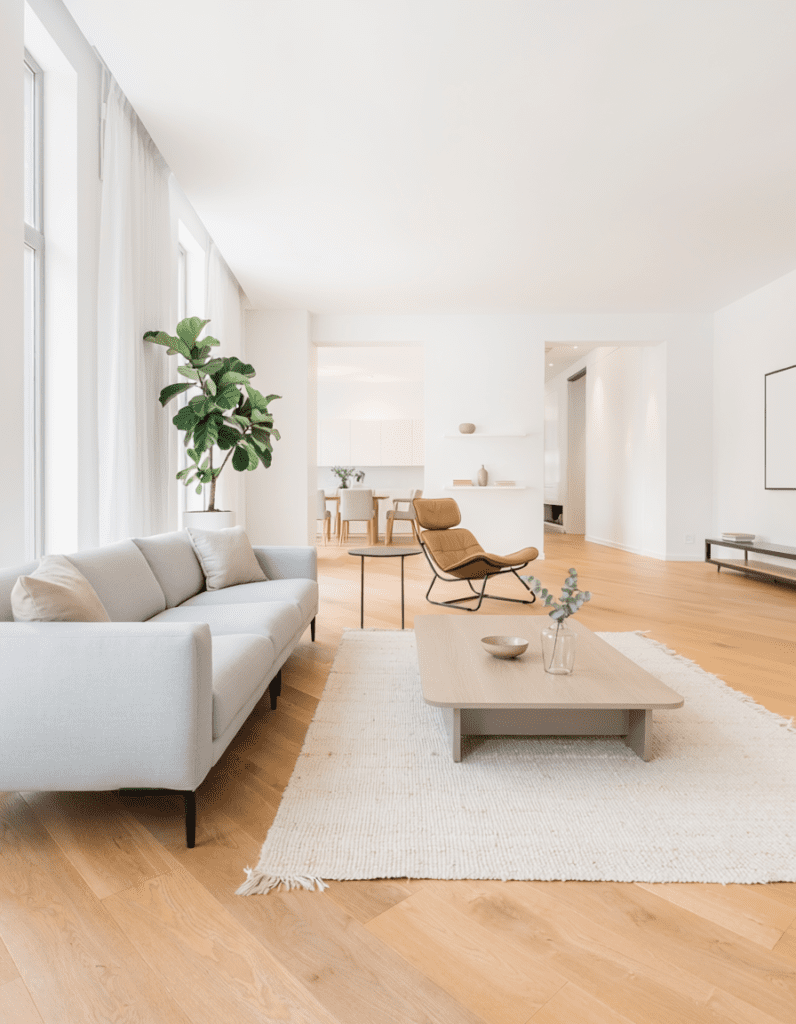
A beautiful layout means nothing if you constantly bump into furniture. Smooth traffic flow is one of the most important things to plan for. So think carefully about how people will move through the room.
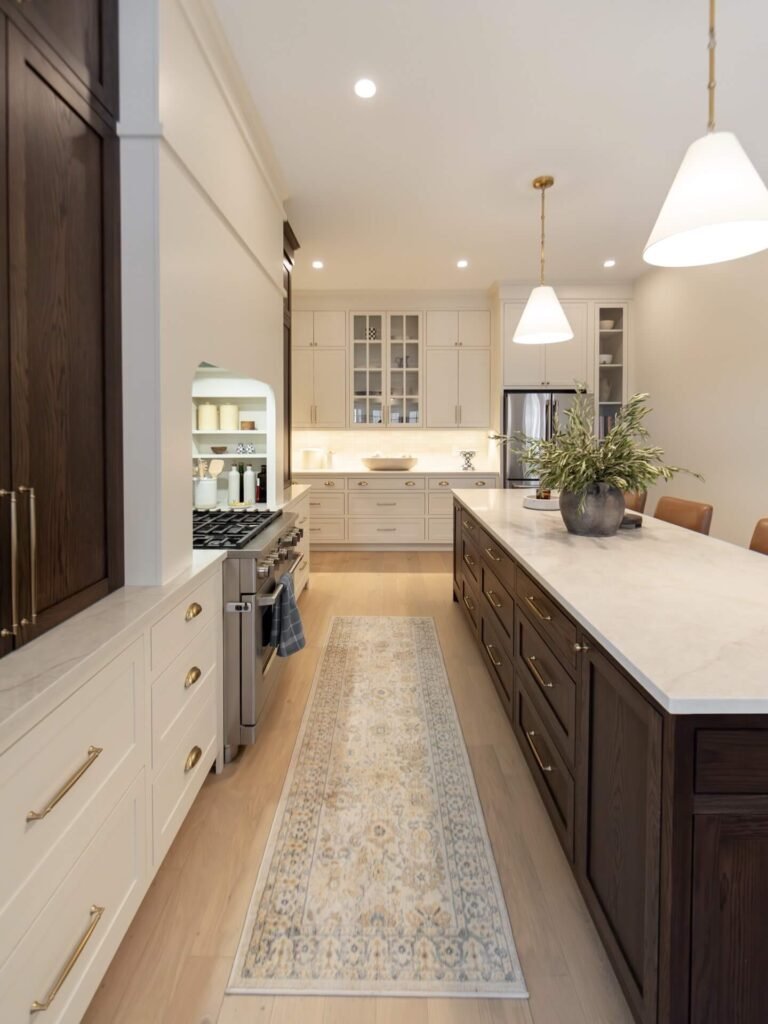
Make sure there are clear pathways between key areas like doors and seating. Aim for enough space to walk through comfortably without squeezing. As a result, your room feels effortless and pleasant to navigate.
Try to avoid blocking walkways with bulky pieces or sharp corners. A clear path keeps the whole space feeling open and safe. So always leave room for natural movement.
Choose the Right Sized Rug
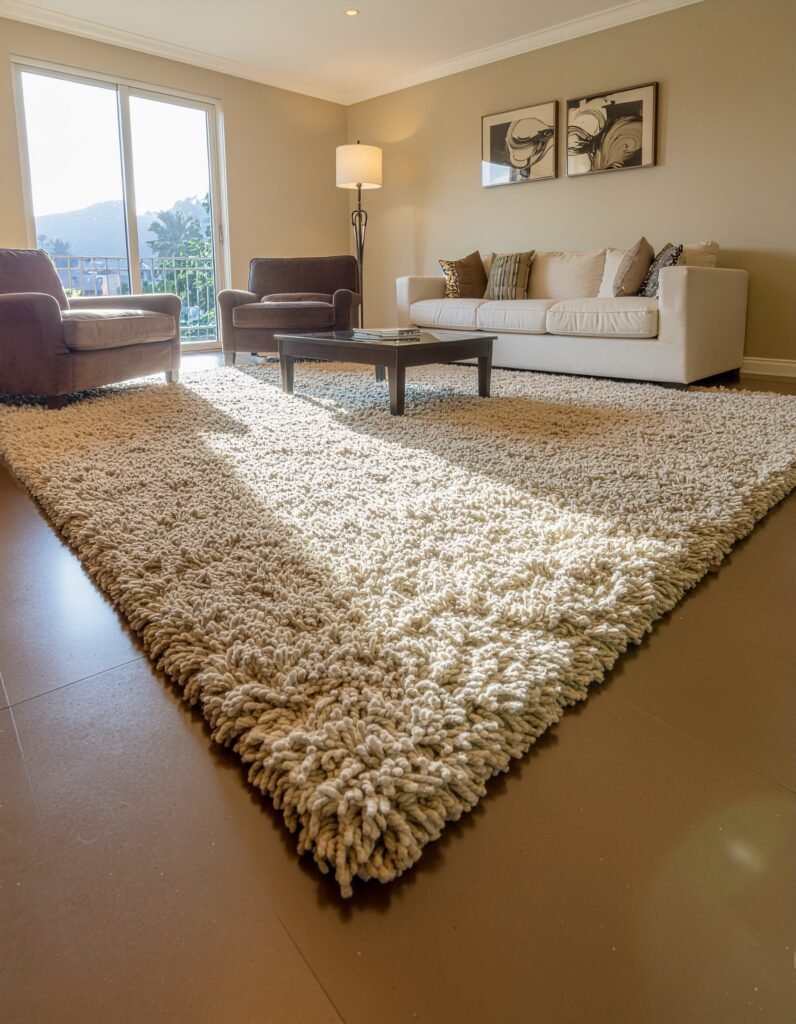
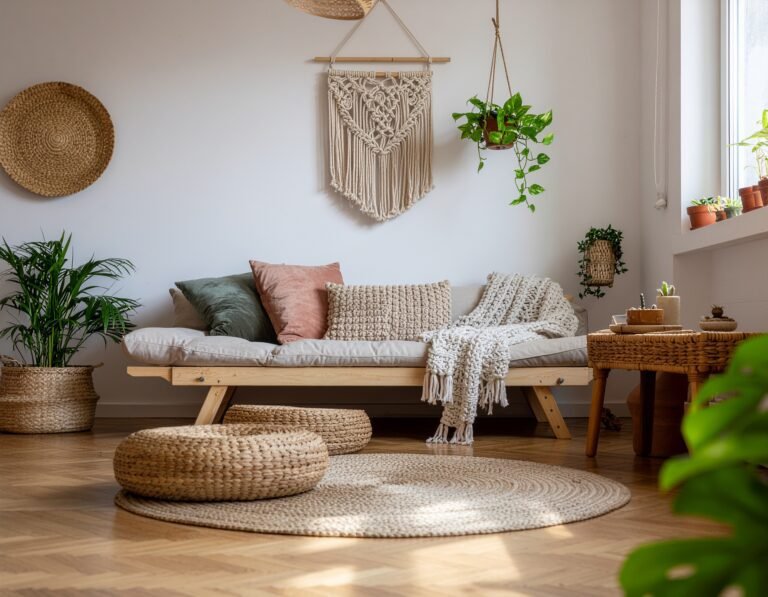
A rug can completely make or break your living room layout. The right size grounds your furniture and ties the whole space together. So choosing wisely here is more important than people realize.
A common mistake is picking a rug that is far too small. Ideally, the front legs of your seating should sit on the rug. As a result, the area feels connected and intentionally designed.
If your budget allows, a larger rug almost always looks better. It creates a defined, cohesive zone for your seating area. So go bigger rather than smaller whenever you can.
Balance the Room Visually
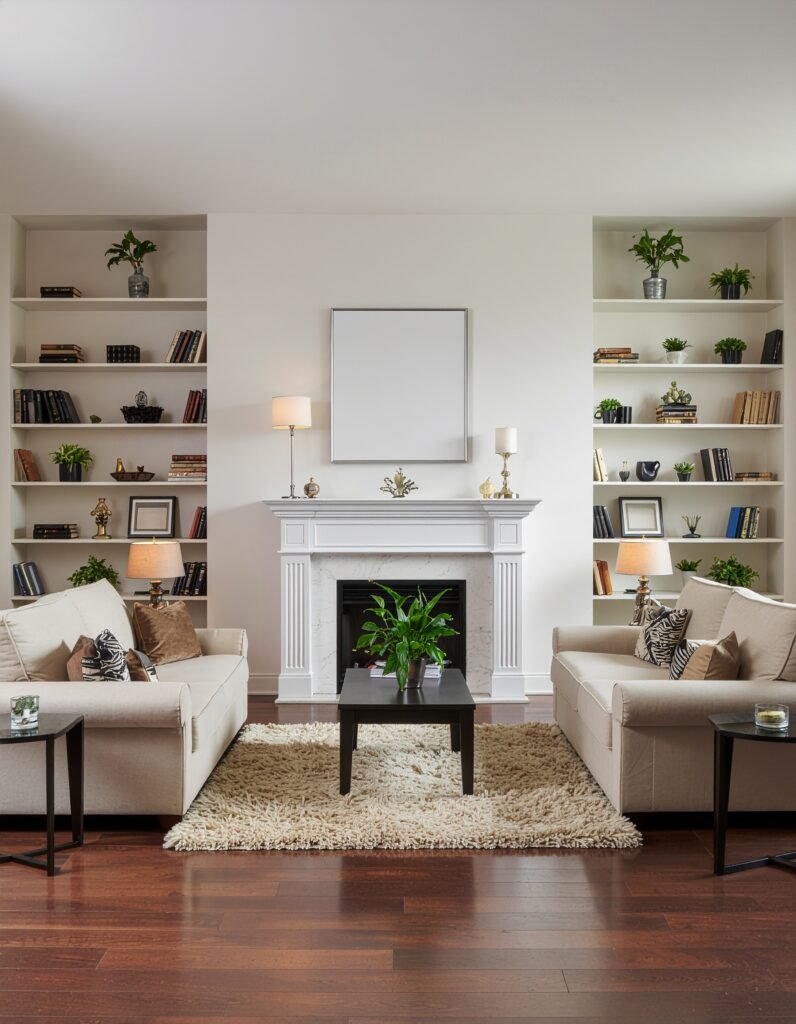
Visual balance is what makes a room feel harmonious and calm. The idea is to spread weight evenly so no side feels too heavy. So this principle is central to how to arrange furniture for the perfect living room layout.
If you place a large sofa on one side, balance it with substantial pieces opposite. Mix tall and short items throughout the room too. As a result, your eye travels smoothly without getting stuck in one corner.
You do not need perfect symmetry to achieve this balance. In fact, a slightly relaxed arrangement often feels more inviting. So aim for balance rather than a strict mirror image.
Layer Your Lighting
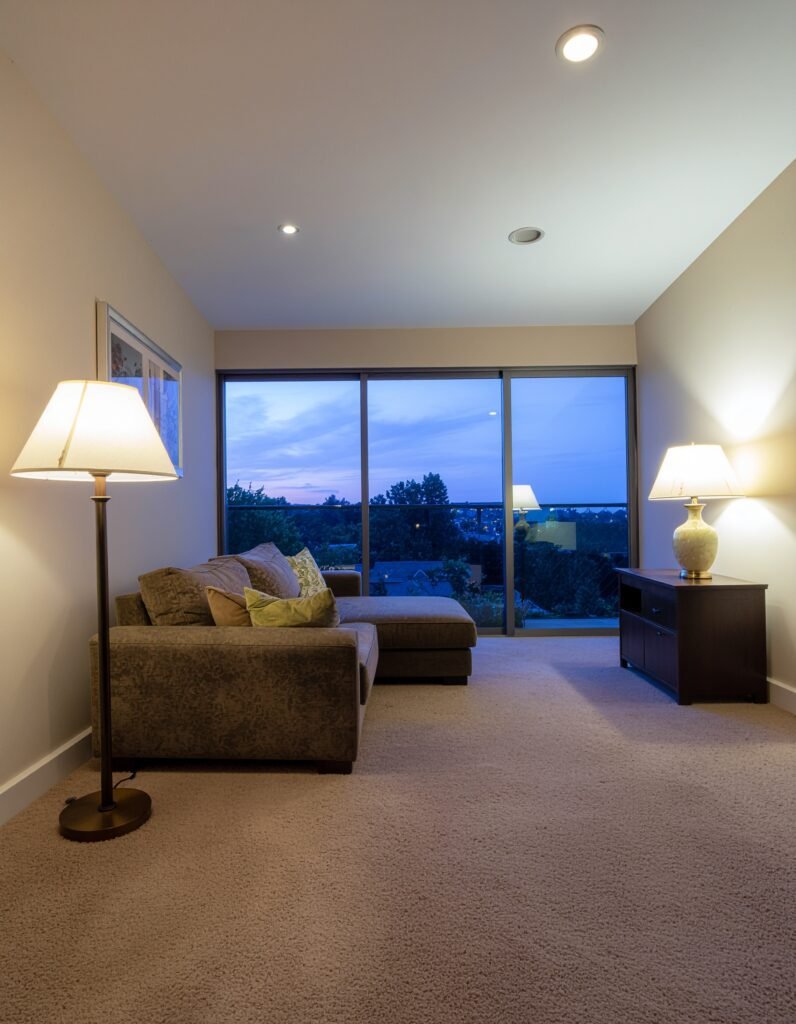
Lighting has a massive effect on how a living room feels, yet it is often overlooked. Relying on one harsh ceiling light makes a room feel flat and cold. So layering different light sources is the secret to a cozy glow.
Combine overhead lighting with table lamps, floor lamps, and softer accents. Place lamps near seating areas where you read or relax. As a result, you create warmth and depth throughout the room.
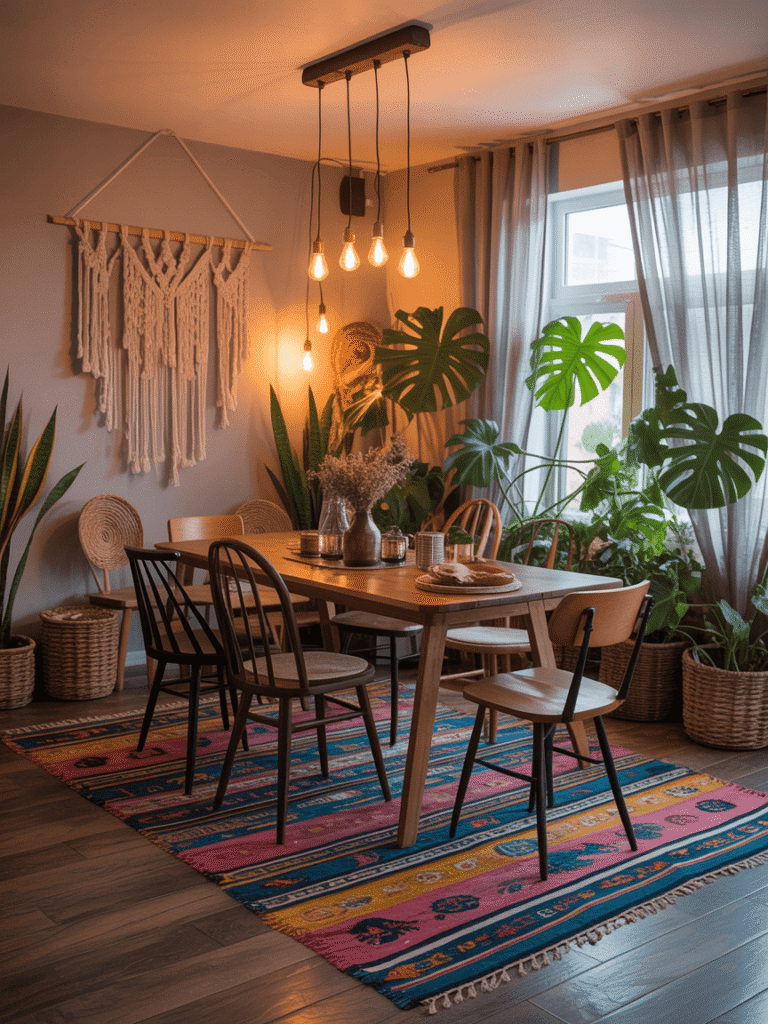
Layered lighting also lets you adjust the mood as needed. Bright light for daytime tasks and soft light for evening lounging works perfectly. So your room adapts beautifully to any moment. If you love the idea of leaning into that evening mood even further, these dark and moody living room ideas show how the same layered lighting principle becomes the whole point of the design.
Make Use of Vertical Space
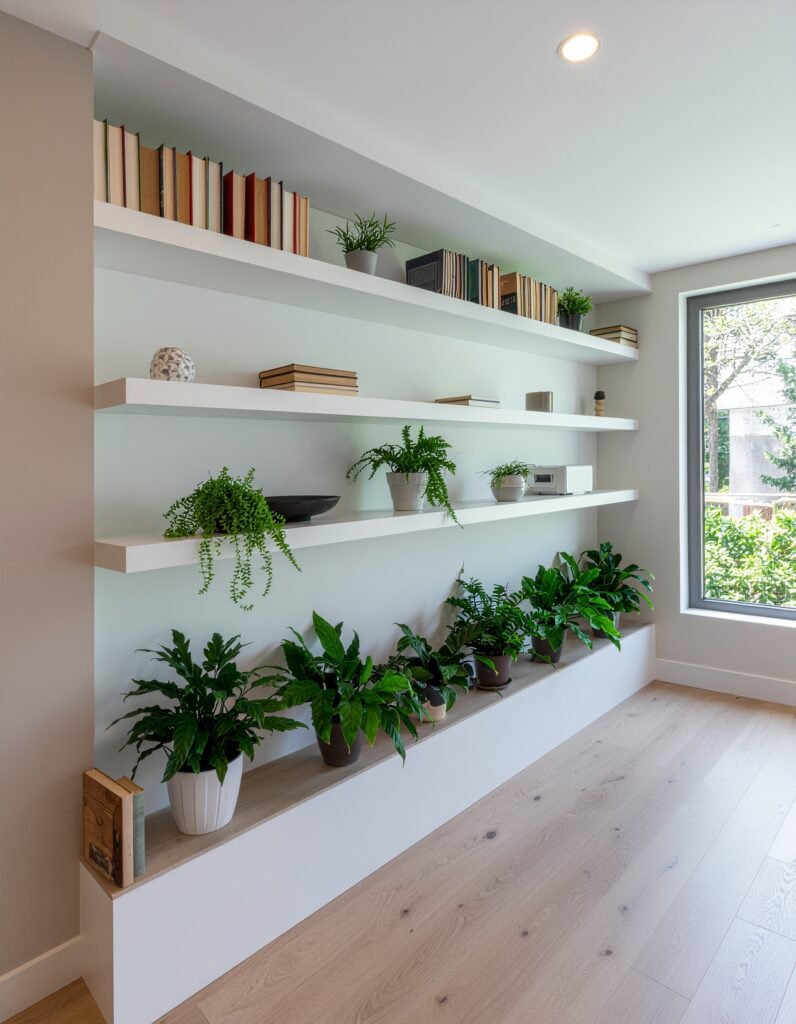
When floor space is tight, looking upward is a brilliant strategy. Using your vertical space frees up the floor while adding storage and style. So do not forget about your walls.
Tall shelves, wall art, and mounted units draw the eye upward. This makes your ceilings feel higher and your room more spacious. As a result, you gain both function and a sense of openness.
Just be careful not to overcrowd your walls with too much stuff. A few well placed pieces look far better than a cluttered display. So keep it balanced and intentional.
Define Zones in Open Spaces
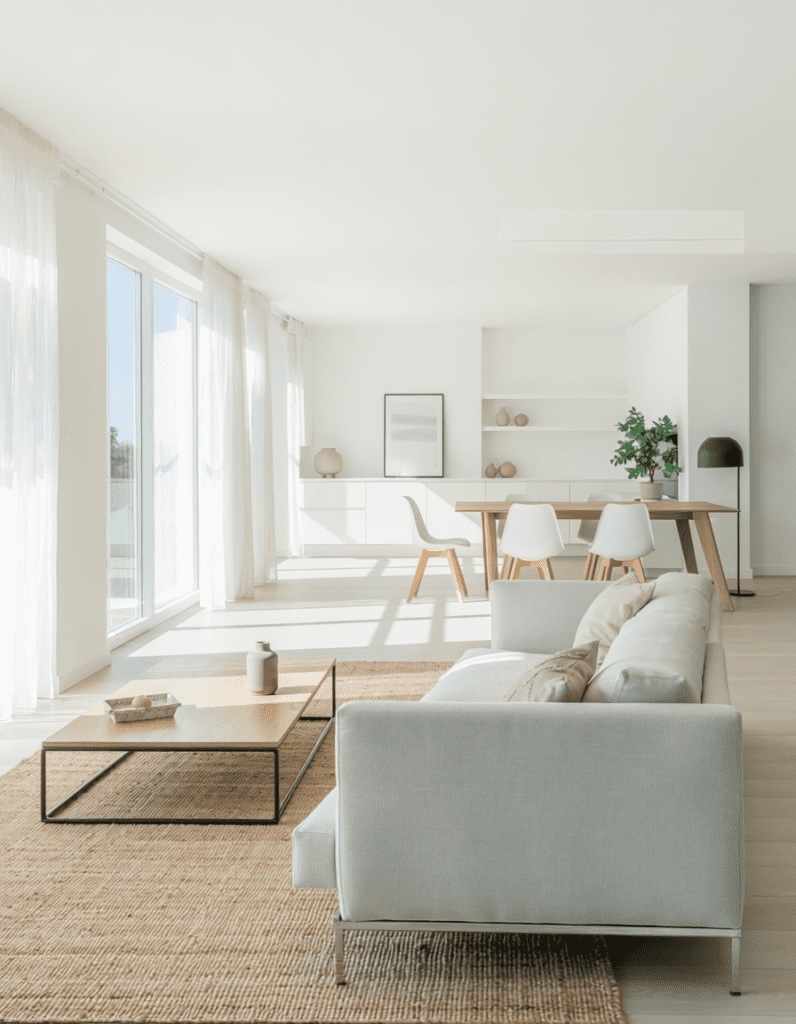
If you have an open plan living area, defining zones is incredibly helpful. Creating distinct areas stops the space from feeling like one big, confusing room. So think about the different ways you use the space.
Use rugs, furniture placement, or even lighting to mark out each zone. A sofa can separate a lounging area from a dining or work space. As a result, each part of the room feels purposeful and organized.
This approach makes large spaces feel cozier and more functional. Each zone gets its own little identity within the whole. So your open plan room feels thoughtfully designed rather than empty.
Add Functional Side Tables
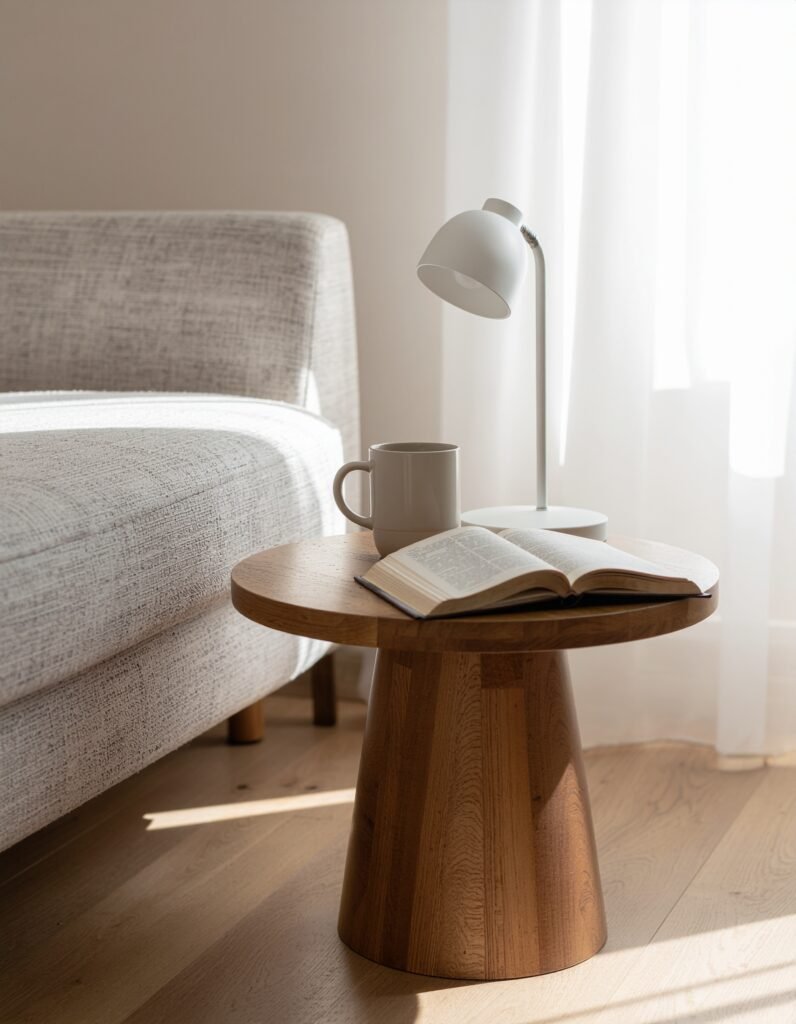
Side tables and coffee tables are the unsung heroes of a great layout. They provide handy surfaces and pull a seating area together. So do not overlook these practical little additions.
Place a coffee table within easy reach of your main seating. Add side tables beside chairs and sofas for drinks, books, and lamps. As a result, your room becomes far more comfortable and usable.
Just make sure these tables fit the scale of your furniture. A tiny table beside a big sofa can look a little lost. So choose pieces that feel proportionate and balanced.
Step Back and Adjust
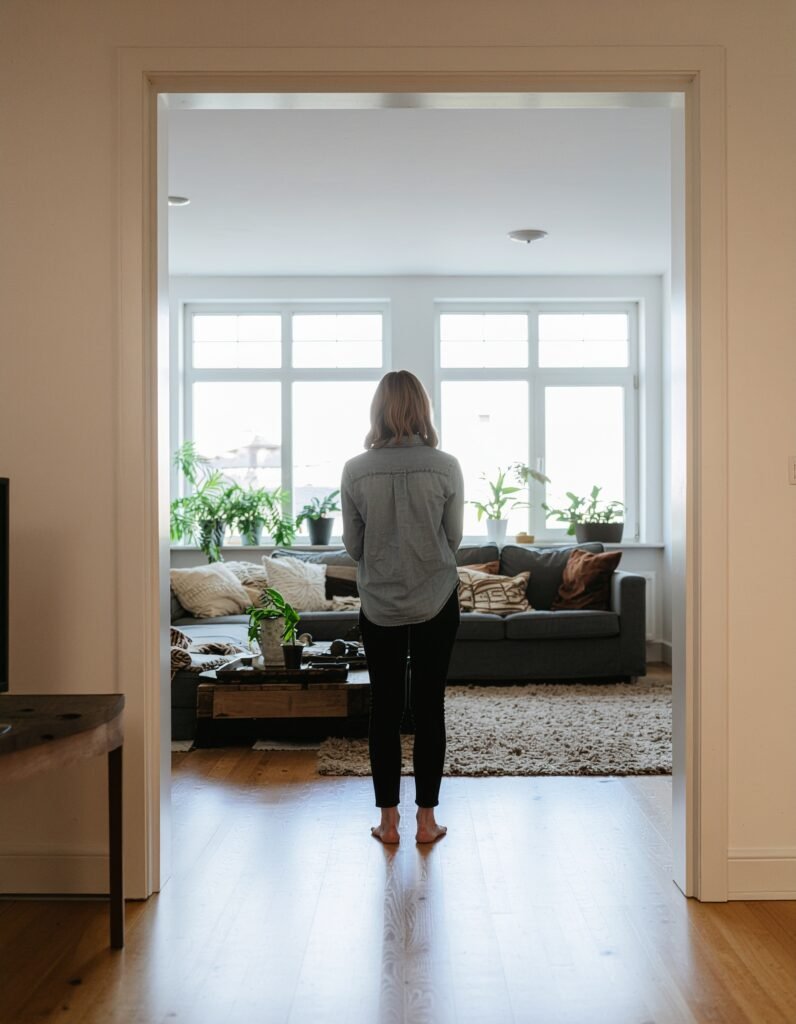
Once everything is in place, the final step is to live with it for a bit. Stepping back and observing helps you spot what is and is not working. So give yourself permission to tweak as you go.
Sit in different spots and notice how the room feels and functions. Check the lighting, the flow, and whether everything feels balanced. As a result, you can make small adjustments that perfect the whole layout.
Do not feel pressured to get it right on the very first try. Rearranging is a process, and small changes add up beautifully. So keep refining until your living room feels just right.
Final Thoughts
When you put all of these steps together, you will see how much potential your space truly has. Learning how to arrange furniture for the perfect living room layout is really about balancing function, flow, and comfort. So with a little thought, any room can become a place you love.
My honest advice is to experiment freely and trust your own instincts. Move things around, try unexpected arrangements, and see what feels best to you. Before long, you will land on a layout that suits your life beautifully.
Remember that your living room should serve how you actually live. So prioritize comfort and connection over rigid rules every time. Trust me, the perfect layout is the one that makes you feel right at home.
Frequently Asked Questions
Where should I start when arranging my living room?
Always begin by measuring your space and identifying your focal point. Knowing your dimensions and anchor helps you plan everything else. So these two steps make the whole process much smoother.
Should furniture be pushed against the walls?
Not usually, as this can make a room feel cold and empty. Pulling pieces inward creates a cozier conversation area. So float your furniture a little for a warmer feel.
What size rug works best in a living room?
A larger rug almost always looks better than a small one. Ideally, the front legs of your seating should rest on it. So go bigger to ground the space and tie it together.
How do I arrange furniture in a small living room?
Keep things minimal, leave breathing room, and use vertical space wisely. Choose appropriately scaled furniture that does not overwhelm the room. So a few well placed pieces will make it feel larger.
How can I make my living room feel cozier?
Layered lighting, a good rug, and a close conversation area all help. Soft textures and warm lamps create an inviting glow. So focus on comfort and connection to boost that cozy feeling.