The Real Benefits of Investing in Multi-Purpose Furniture
Every home eventually runs into the same wall. You want more room to live, work, host guests, and store your things, but the square footage you actually have is the square footage you are stuck with. Multi-purpose furniture is one of the few genuine workarounds to that problem, and it is a lot smarter than the folding guest bed your parents kept in the garage.
I first understood this properly in a one bedroom apartment that had to double as a bedroom, a home office, and occasionally a dining room for four people on weekends. A single storage ottoman and a drop leaf table against the wall did more heavy lifting in that apartment than every other piece of furniture combined. Once I saw how much one smart piece could do, I started looking at every room differently, and I have been recommending multi-purpose pieces to friends ever since.
This guide walks through the real, practical benefits of investing in multi-purpose furniture, the specific pieces worth your money, and the mistakes that quietly undermine the whole idea.
Why Multi-Purpose Furniture Matters More Than Ever
Multi-purpose furniture used to be a niche solution for tiny studio apartments and boats. Now it belongs in almost every home, and the reasons have less to do with trends and more to do with how people actually live.
Homes and apartments have gotten smaller in many cities over the past couple of decades, even as the number of things we need a room to do has grown. A spare bedroom is now a guest room, a home office, and a gym on different days of the same week. Furniture built for one single job simply cannot keep up with that pace of change.
There is also the financial reality of moving more often than previous generations did. Renters relocate every few years, and even homeowners downsize or shift rooms around as families grow and shrink. Furniture that can shift roles with you saves money and hassle at exactly the moments when you have the least patience for either.
It Saves You Real, Usable Space
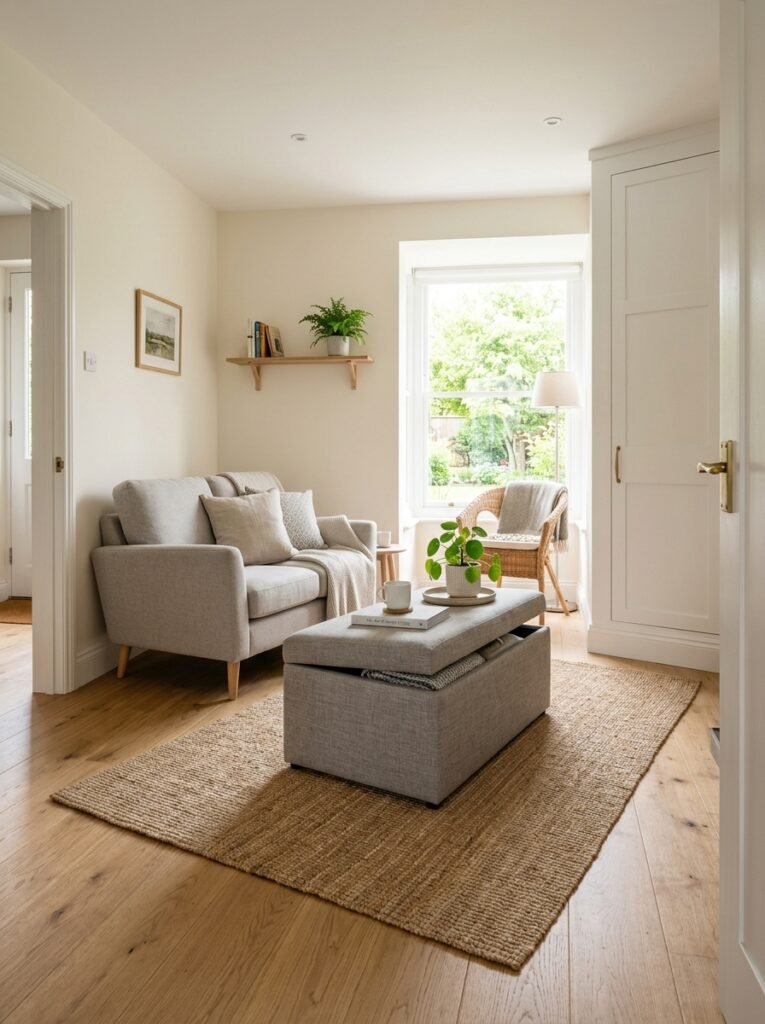
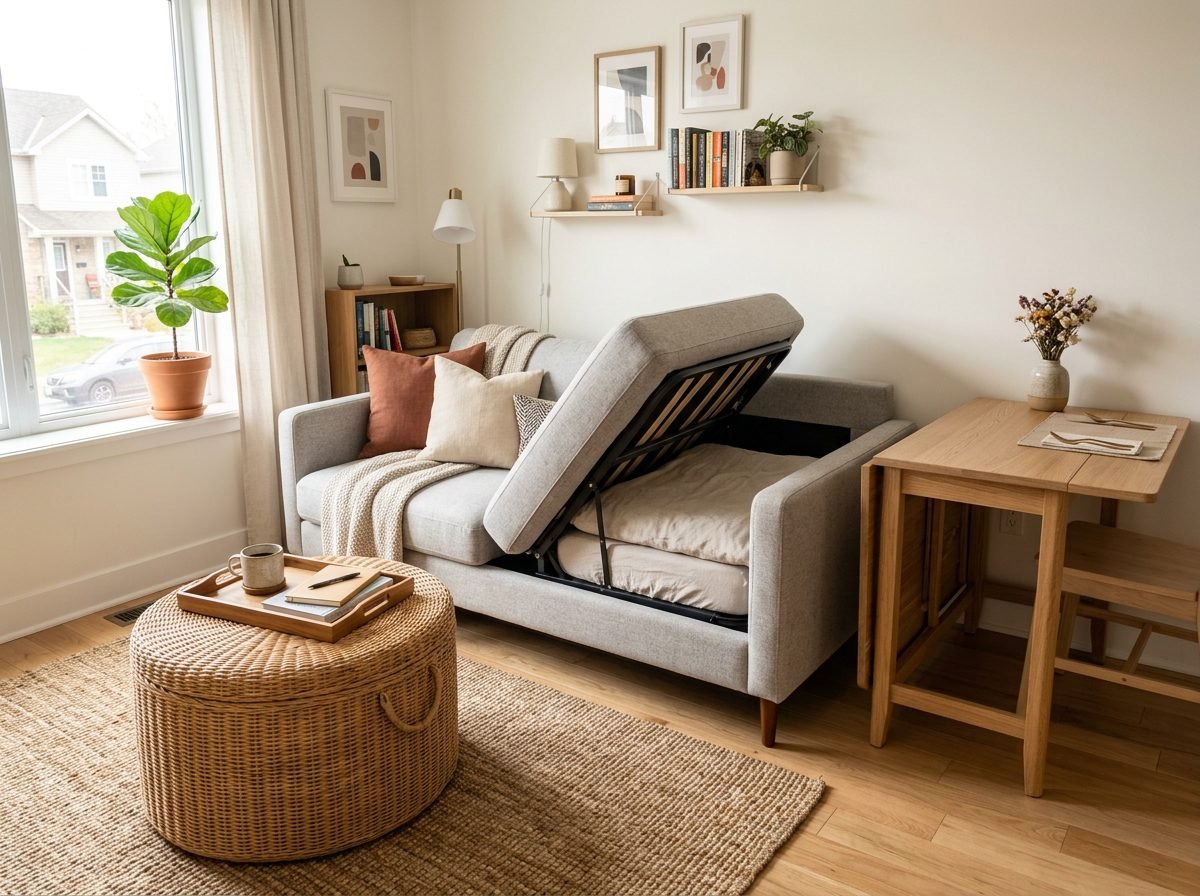
The most obvious benefit is also the easiest to underestimate until you actually experience it. A sofa bed replaces both a sofa and a guest bed. A storage ottoman replaces a coffee table and a linen closet. Every piece that does two jobs is one less piece competing for the same square footage.
This matters even in homes that are not especially small. Extra furniture crammed into a room does not just take up floor space, it takes up visual space too, making rooms feel busier and more chaotic than they need to. Fewer, smarter pieces let a room breathe, which is a big part of why well designed small spaces often feel calmer than cluttered large ones.
The space savings compound in hallways and walking paths as well. A nesting coffee table that tucks away when not needed, or a dining table that shrinks down for daily use and expands only for guests, keeps your everyday movement through a room easy and unobstructed.
It Saves You Real Money Over Time
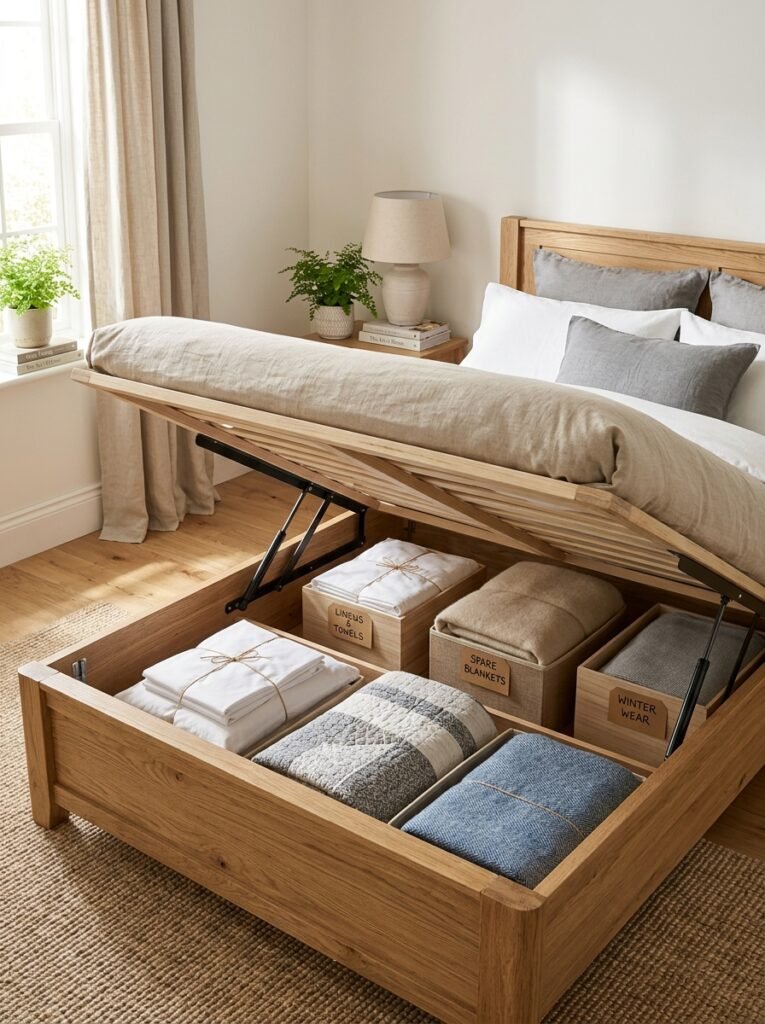
Multi-purpose furniture often costs more upfront than a basic single-purpose equivalent, and that sticker shock is exactly why people talk themselves out of it. The math looks different once you zoom out.
Buying a quality storage bed instead of a basic bed frame plus a dresser plus a few storage bins usually costs less in total than buying all of those pieces separately, even though the storage bed itself has a higher price tag. You are paying for fewer total objects, which also means fewer objects to eventually replace, repair, or haul to a new home.
The savings show up again every time you move. Fewer pieces mean lower moving costs, less time spent disassembling and reassembling furniture, and less chance of something getting damaged in transit. Anyone who has paid movers by the hour understands exactly how much a smaller furniture footprint is worth.
It Gives Your Home Genuine Flexibility
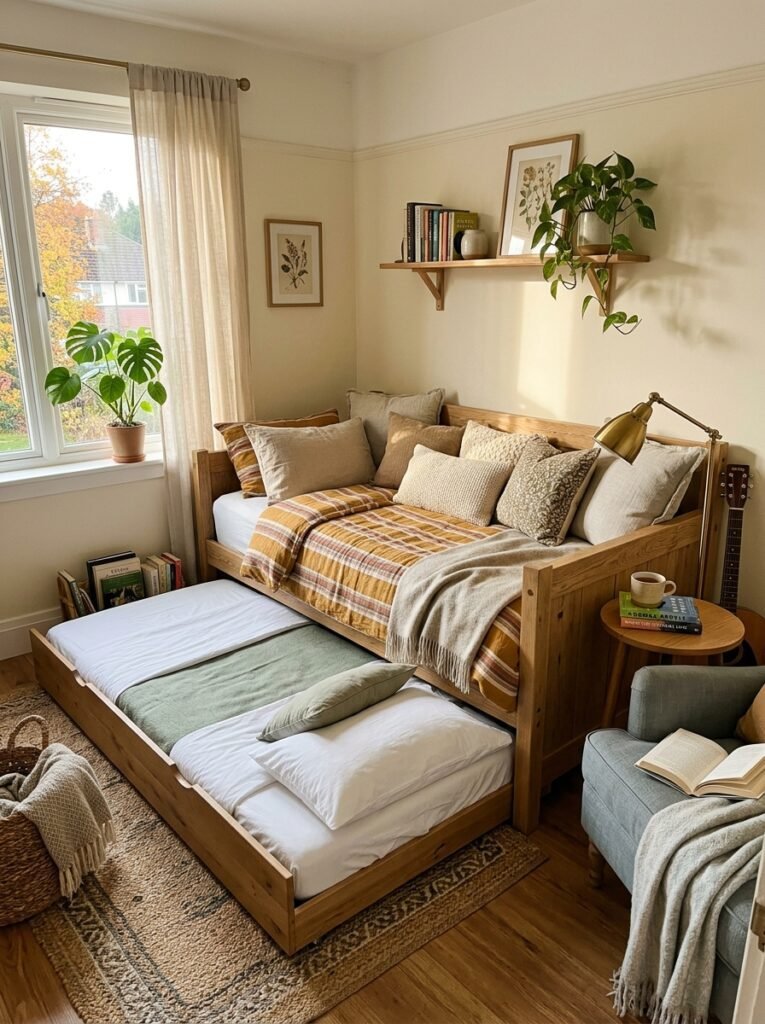
Life rarely stays still for long, and rigid, single-purpose furniture struggles to keep up with it. A room built entirely around one function locks you into that function, even after your needs have quietly moved on.
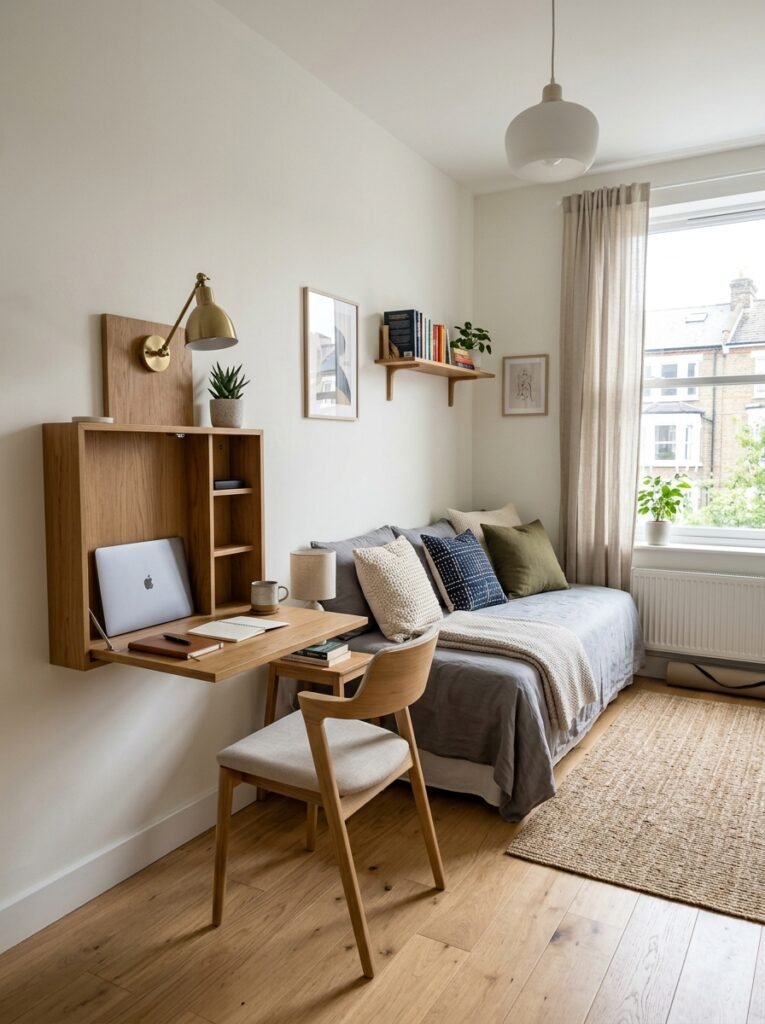
A daybed with a trundle underneath can be a reading nook one year and a second bedroom for a visiting relative the next. A dining table with leaves can seat two most nights and ten on holidays without needing an entirely separate table stored somewhere for special occasions. A desk that folds flat against the wall can disappear when you need the room to feel like a bedroom again in the evening.
This flexibility matters most during transitions. A new baby, a parent moving in, a sudden shift to working from home, a roommate moving out. Multi-purpose furniture absorbs these changes gracefully instead of forcing a stressful furniture shopping trip on top of everything else already happening in your life.
The Multi-Purpose Pieces Actually Worth Owning
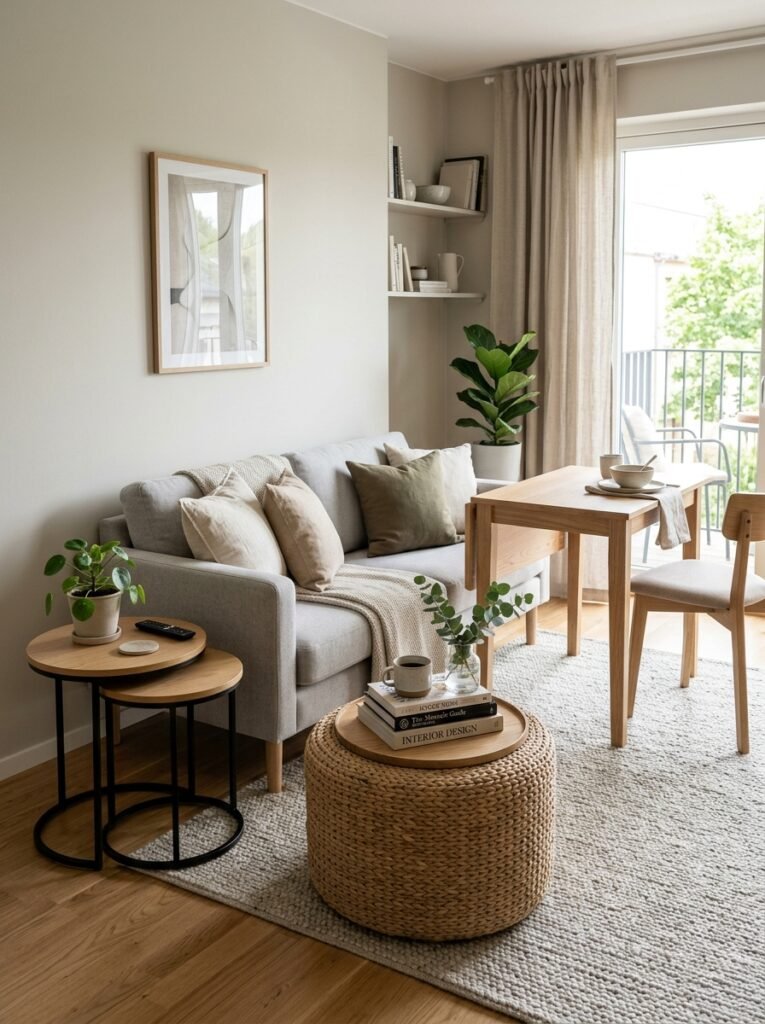
Not every dual-purpose product lives up to its promise, but a handful of categories consistently deliver real value. Knowing which ones to prioritize saves you from wasting money on gimmicky pieces that look clever online and disappoint in person.
Storage ottomans and benches are the easiest entry point. They provide seating or a footrest on top while hiding blankets, toys, or extra linens inside, and they fit into almost any room without looking out of place. A bench earns its keep especially well right by the front door, and this comparison of choosing between a console table and a bench for your entryway breaks down when the seating-plus-storage option actually beats a console table in that specific spot.
Sofa beds and daybeds with trundles handle guest sleeping without dedicating an entire room to it. Modern versions have improved considerably from the lumpy pull out sofas of decades past, so it is worth trying one in person before buying.
Extendable and drop leaf dining tables let a small kitchen or dining nook seat two for daily meals and expand to seat a crowd when needed. This single category solves one of the most common space complaints in smaller homes.
Murphy beds and wall beds fold up into a cabinet or shelf unit during the day, freeing an entire room to function as an office, studio, or living space until it is time to sleep.
The common thread across all of these is that the secondary function is executed well, not tacked on as an afterthought. A good multi-purpose piece feels complete in either role, not like a compromise wearing two hats.
It Helps You Adapt to Moves and Life Changes
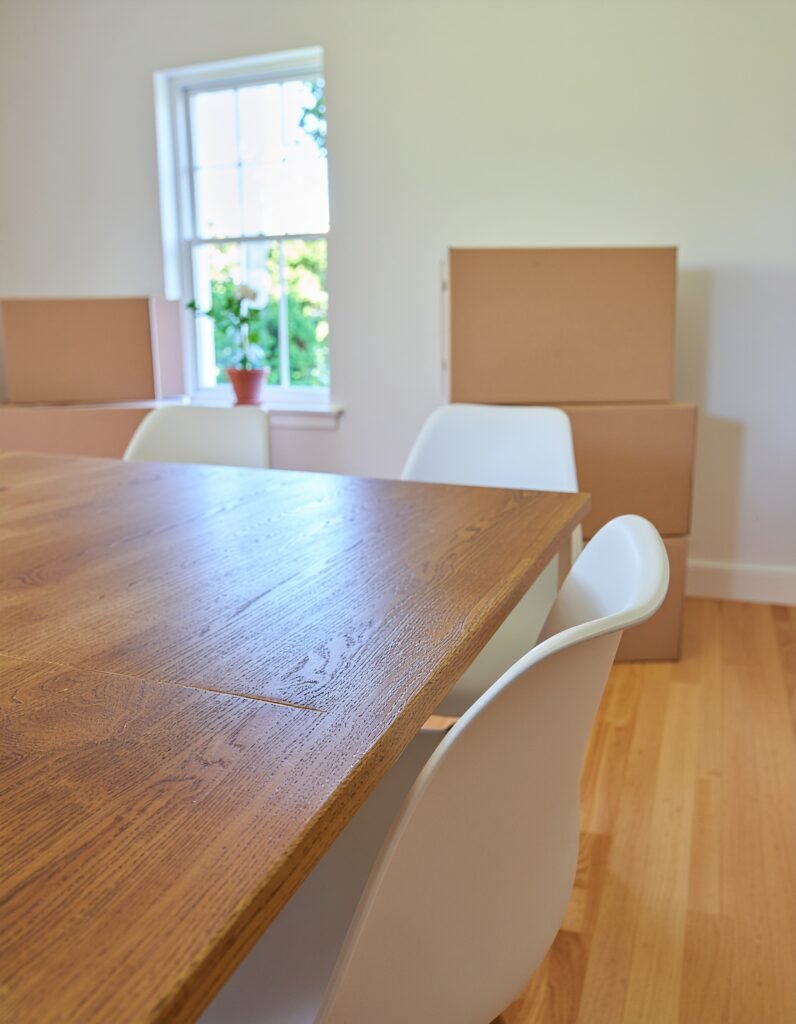
Frequent movers benefit from multi-purpose furniture in ways that go beyond the obvious space savings. Pieces designed to do more than one job also tend to be designed with adaptability in mind, which pays off when your next home has a completely different layout than your current one.
An extendable table that seats four in a tiny apartment can grow to seat eight in a larger dining room later, meaning you do not need to sell it and start over every time you move. A modular sectional can be rearranged into a completely different shape to fit a new living room, rather than looking awkward and undersized against a wall it was never designed for.
This adaptability also matters for life stages that have nothing to do with moving. Furniture that can grow with a family, shrink for an empty nest, or shift from a nursery to a big kid’s room saves you from replacing entire rooms of furniture every few years as needs change.
It Supports a More Sustainable Way of Living
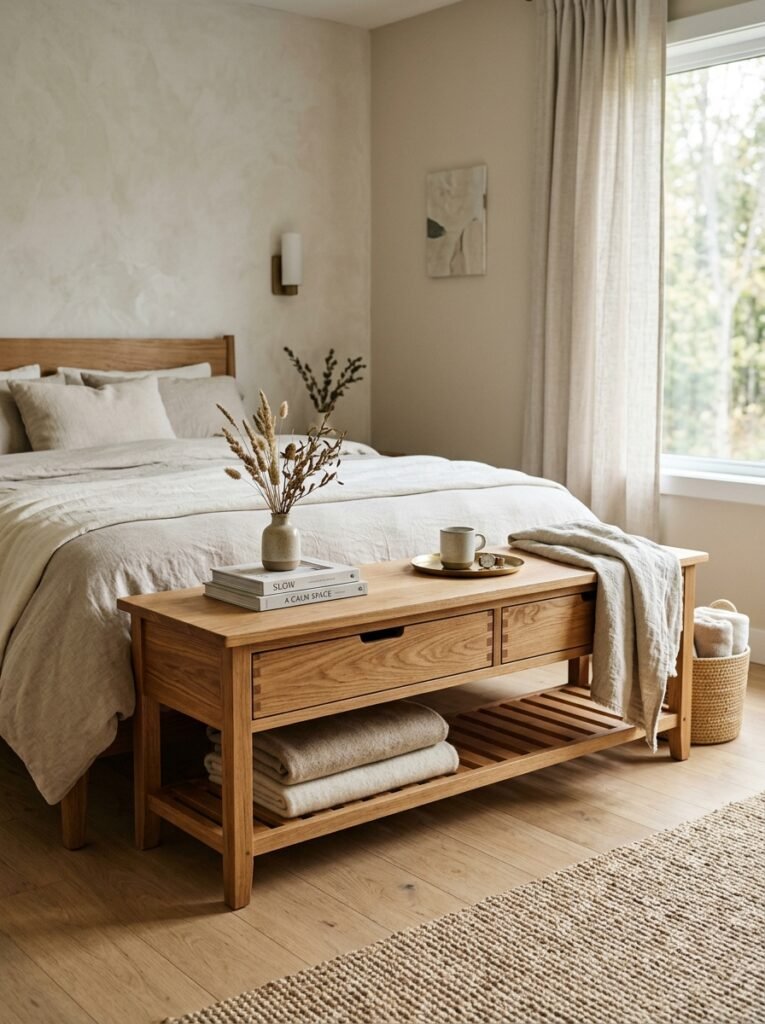
Buying fewer, better pieces has an environmental upside that often gets overlooked in conversations about home design. Every piece of furniture carries a manufacturing and shipping footprint, and every piece eventually reaches the end of its life and needs to be disposed of somehow.
When one well built storage bed replaces a bed frame, a dresser, and a stack of plastic bins, you have reduced the total number of items that had to be manufactured, packaged, shipped, and eventually thrown away. Multiply that across an entire home and the difference becomes meaningful.
Quality also plays a role here. Multi-purpose furniture tends to sit at a higher price point, which often correlates with better materials and construction. A well made piece that lasts fifteen years and does two jobs beats two cheaper pieces that each need replacing within five.
Practical Tips for Choosing Multi-Purpose Furniture
A few guiding habits help you choose pieces that actually deliver on their promise rather than gathering dust as an interesting idea that never quite worked.
- Measure your space carefully, including how a piece looks both collapsed and expanded, before buying anything.
- Test the secondary function in person when possible, since a sofa bed’s comfort or a table’s extension mechanism matters more once you own it daily.
- Prioritize pieces where both functions get genuine daily use, rather than a rarely needed feature that just adds cost.
- Choose durable materials and solid mechanisms, since moving parts like hinges, folding legs, and pull out frames take the most wear over time.
- Think one step ahead to your next likely move or life change, and favor pieces that will adapt rather than become obsolete.
- Keep the primary function excellent first, since a bed that sleeps badly is not redeemed by clever storage underneath.
Common Mistakes to Avoid
The most common mistake is buying a multi-purpose piece for a function you will rarely use. A coffee table that converts into a dining table sounds appealing, but if you never actually host sit down dinners, you have paid extra for a feature that just sits there unused.
Another frequent error is skipping the in-person test of moving parts. Folding mechanisms, pull out beds, and extension slides vary enormously in quality, and a piece that looks great in photos can feel flimsy or awkward the moment you actually use it daily.
People also tend to sacrifice comfort or quality in the primary function to gain the secondary one. A sofa that looks stylish but never gets comfortable enough to actually sit on regularly has failed at its main job, no matter how clever the pull out bed underneath happens to be.
Finally, some buyers underestimate the size and weight of multi-purpose furniture. Many of these pieces are heavier and bulkier than their single-purpose counterparts because of the added mechanisms inside them, so measuring doorways and stairwells matters just as much as measuring the room itself.
Expert Insights on Long-Term Value
Furniture designers and space planners who specialize in small and flexible living tend to circle back to a few consistent ideas. The first is that multi-purpose furniture should be judged by its worst function, not its best one. If either role feels like an afterthought, the piece will disappoint you in daily use no matter how clever the concept sounded in the showroom.
Professionals also stress buying for your actual routine rather than an imagined one. A fold down desk sounds perfect until you realize you actually prefer working at the kitchen table, and the desk becomes a wall fixture nobody uses. Honest self assessment before buying saves money and regret.
Another insight worth remembering is that quality mechanisms matter more in multi-purpose furniture than almost any other category. A basic dresser with a slightly stiff drawer is a minor annoyance. A sofa bed with a difficult folding mechanism becomes a piece you dread using, which defeats the entire purpose of buying it.
Finally, experienced designers point out that the best multi-purpose furniture rarely announces itself. It looks like a normal, well designed piece first, with its extra function revealed only when you need it, rather than looking gadget like or overly engineered in a way that dates quickly.
Frequently Asked Questions
Is multi-purpose furniture worth the extra cost?
Usually yes, especially when it replaces two or more separate pieces you would otherwise need to buy, store, and eventually move. The value shows up most clearly over several years and multiple moves rather than in the initial price tag alone.
What is the best multi-purpose furniture for a small apartment?
Storage ottomans, extendable dining tables, and daybeds with trundles tend to deliver the most everyday value in small apartments, since they solve common space problems without requiring major installation or renovation.
Does multi-purpose furniture sacrifice comfort or quality?
Not if you choose well. Quality varies widely across brands and price points, so testing the piece in person and reading reviews focused specifically on the moving parts helps you avoid pieces that compromise comfort for cleverness.
How do I know if a piece is genuinely multi-purpose or just a gimmick?
Ask whether you would actually use both functions regularly in your real life, not just occasionally or in theory. A genuinely useful multi-purpose piece earns its place through daily use of both roles, not just one.
Is multi-purpose furniture a good option for permanent homes, not just rentals?
Absolutely. While renters and frequent movers benefit enormously, homeowners gain the same space efficiency, cost savings, and flexibility for life changes like a growing family, a new home office, or hosting guests more often.
Conclusion
Multi-purpose furniture earns its place in a home by doing quietly what a lot of decor tries to do loudly, which is make a space work better for the people actually living in it. The space savings are real, the cost savings compound over time and moves, and the flexibility it offers becomes most valuable exactly when life changes and you need your rooms to change with it.
Start with the piece that solves your most pressing space problem, whether that is a storage ottoman, an extendable table, or a proper sofa bed, and choose quality over gimmick every time. Do that, and your furniture stops being something you simply own and starts being something that genuinely works for you, in more ways than one.