Beginner’s Guide to Creating a Cozy Home From Scratch
Moving into an empty home is a strange kind of exciting. Bare walls, echoing floors, maybe the smell of fresh paint or an unfamiliar landlord’s carpet. It is full of possibility, but that possibility can feel more overwhelming than inspiring once the boxes are unpacked and you are standing in the middle of four blank walls wondering where to even begin.
I remember standing in my first real apartment with a single lamp, a mattress on the floor, and no real idea how people made rooms feel like the ones in magazines. It took longer than I would like to admit to realize that coziness has very little to do with money or natural talent. It comes down to a handful of decisions, made in a sensible order, that most beginners are simply never shown.
This guide walks you through building a cozy home from scratch, step by step, whether you are furnishing your first apartment, starting over after a move, or finally tackling a house that has never quite felt like home.
What Cozy Actually Means Before You Buy Anything
Before spending a single dollar, it helps to get clear on what cozy actually means, because a lot of beginners end up chasing the wrong thing entirely.
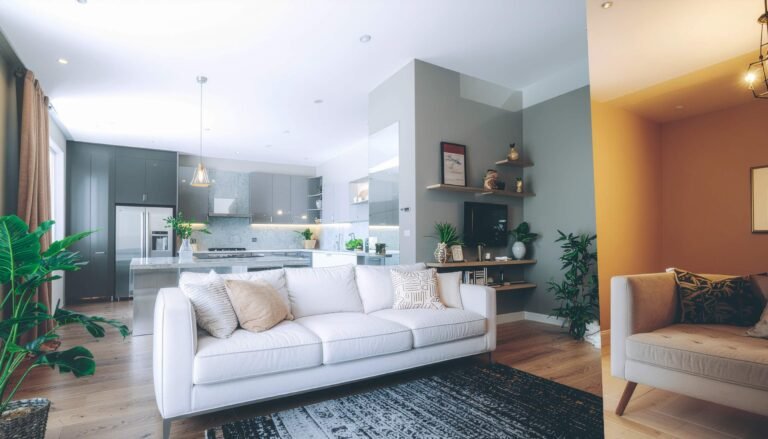
Cozy is not the same as cluttered, and it is not a specific style you can buy off a shelf. A minimalist apartment and a maximalist cottage packed with trinkets can both feel genuinely cozy, while a showroom-perfect house full of matching furniture often feels cold despite costing a fortune. The difference lies in warmth, softness, and a sense that a real person actually lives there.
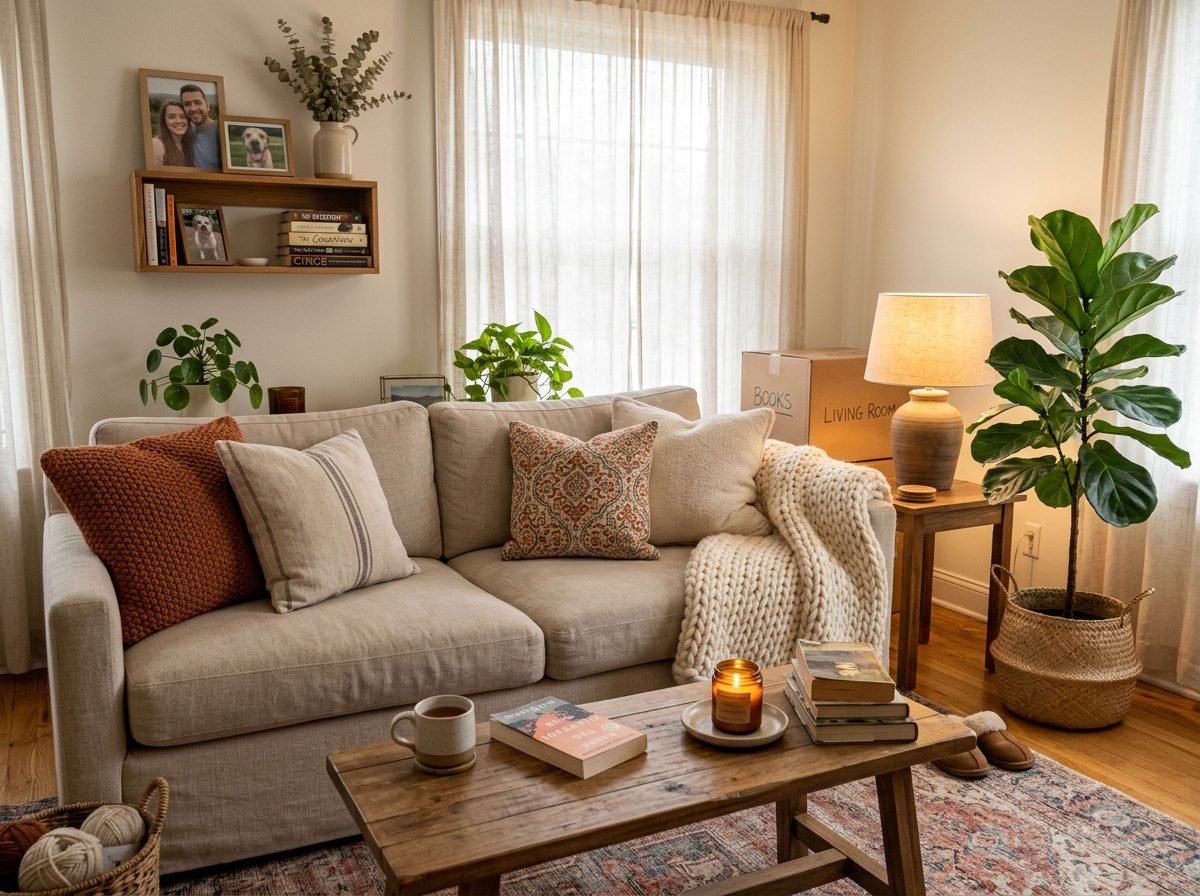
Every cozy home shares a few underlying qualities no matter its style. Warm, layered light instead of one harsh bulb overhead. Soft textures within reach. Personal objects that mean something to the people who live there. A palette that feels calm rather than sterile.
Keep this definition close as you read the rest of this guide, because every section that follows is really just one more way of building toward these same few qualities.
Start With Lighting Before Anything Else
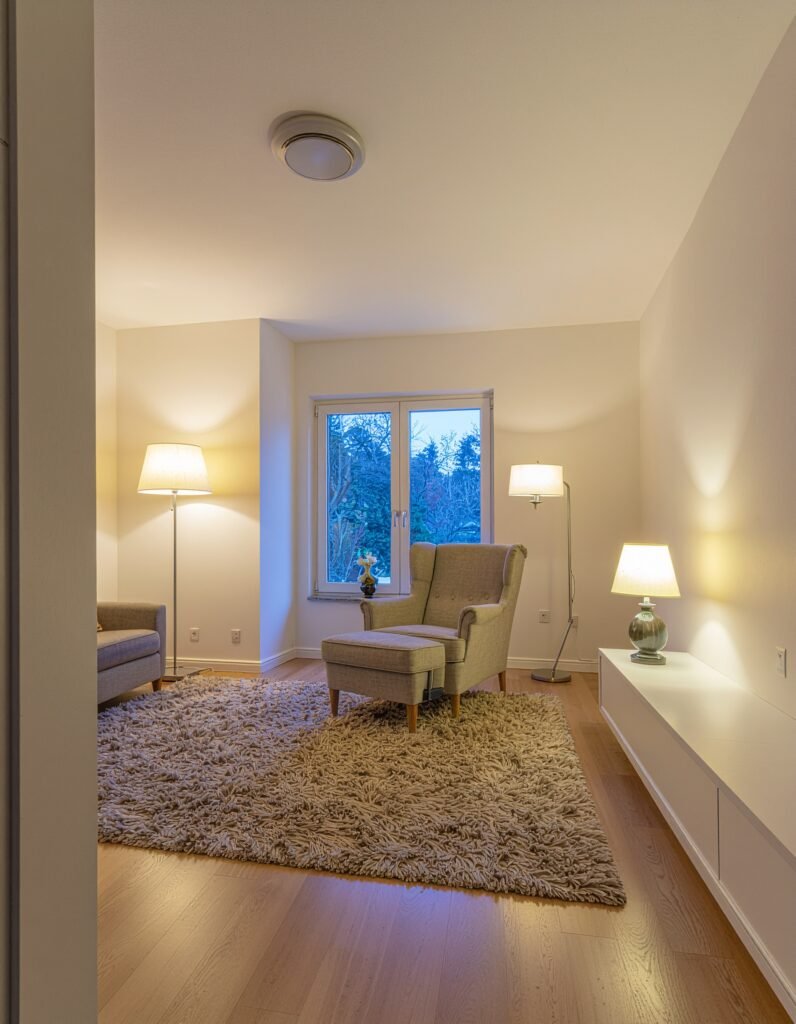
If there is one lesson worth taking from this entire guide, it is this one. Lighting shapes how a room feels more than any single piece of furniture, and it happens to be the cheapest thing on this list to get right.
Swap every bulb in your main living spaces for warm white, ideally around 2700K. Cool, bluish light reads as clinical no matter how nice your furniture is, while warm light instantly makes even a bare room feel inhabited. This one change costs the price of a few bulbs and takes about ten minutes.
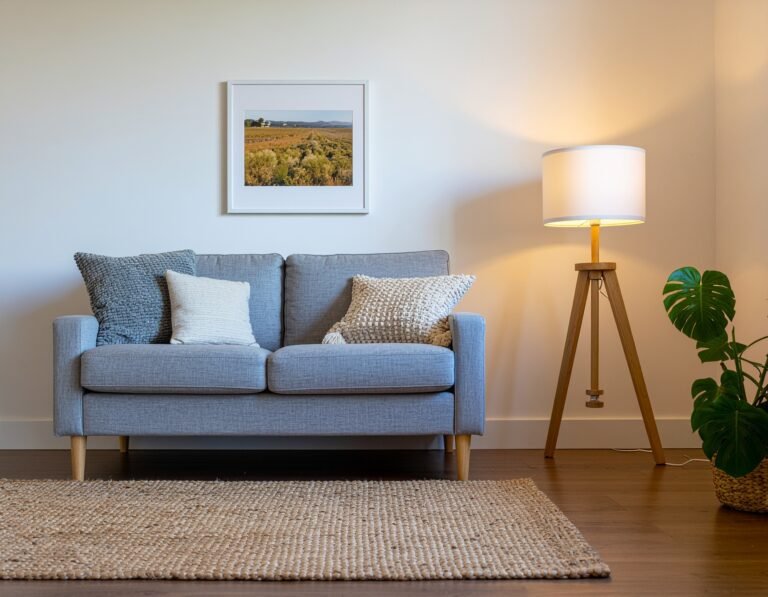
Then stop relying on a single overhead fixture. Add a floor lamp in a corner, a table lamp beside wherever you sit most often, and a small lamp on a shelf. Multiple soft light sources at different heights create the layered glow that one bright bulb simply cannot replicate.
A dimmer switch is a small investment that pays off constantly, letting the same room shift from bright and functional in the day to soft and relaxed at night. Renters who cannot rewire anything can reach for plug-in dimmers and smart bulbs instead, which achieve much the same effect.
Choose a Color Palette That Feels Like You
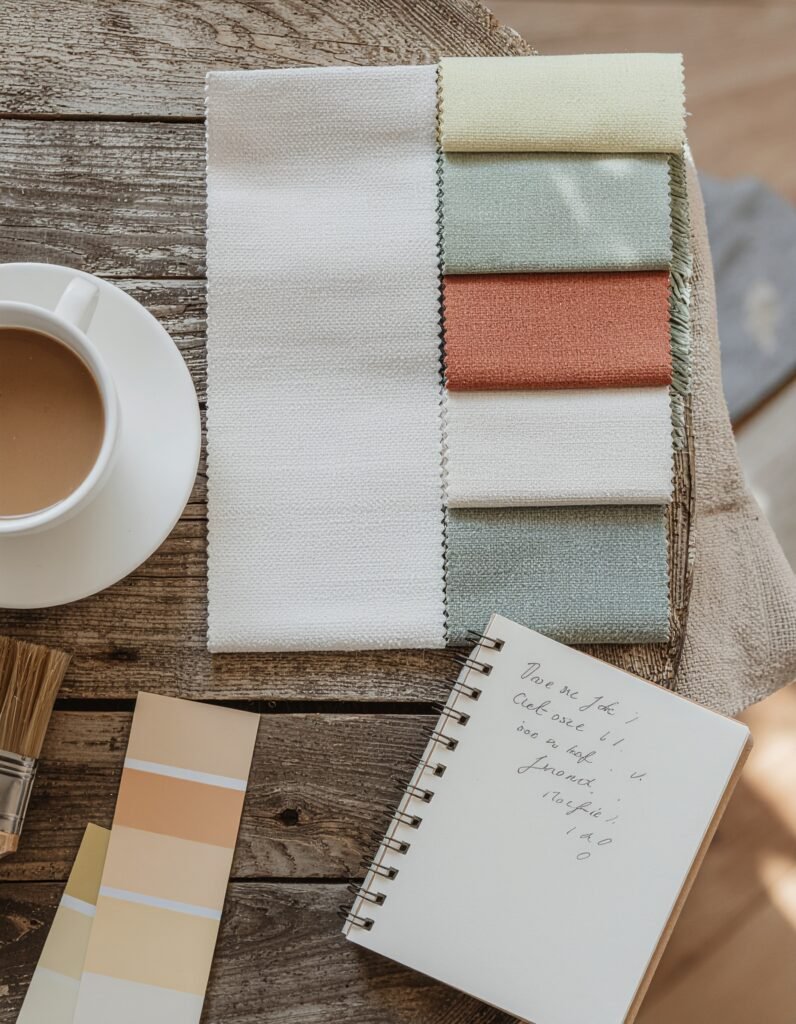
With lighting sorted, the next decision is color, and this is where a lot of beginners either freeze up or swing wildly between saved photos. Pick a starting palette before buying anything else, because every decision after this one gets easier once you have a direction.
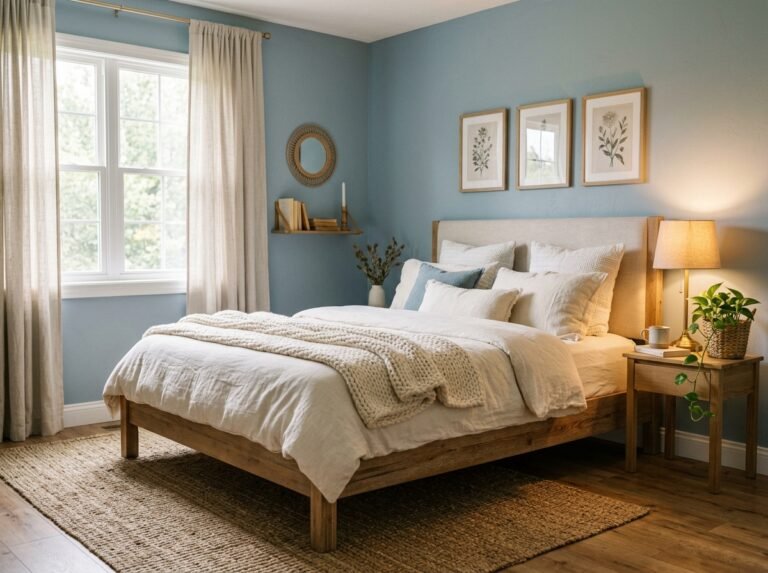
Warm neutrals are the most forgiving place to start. Cream, warm white, soft beige, and taupe create a calm backdrop that works with nearly any furniture you bring in later. From there, add one or two colors that genuinely appeal to you, whether that is muted sage, dusty terracotta, or a deep charcoal.
Resist the urge to copy someone else’s exact palette from a photo saved months ago. A cozy home should feel like an extension of the person living in it, not a recreation of a stranger’s living room. If warm rust makes you happy while everyone else swears by cool gray, trust your own reaction over the algorithm’s.
Once you settle on two or three colors, repeat them throughout each room through cushions, art, rugs, and small objects. That repetition is what makes a home feel considered rather than randomly assembled one purchase at a time.
Invest in a Few Foundational Pieces First
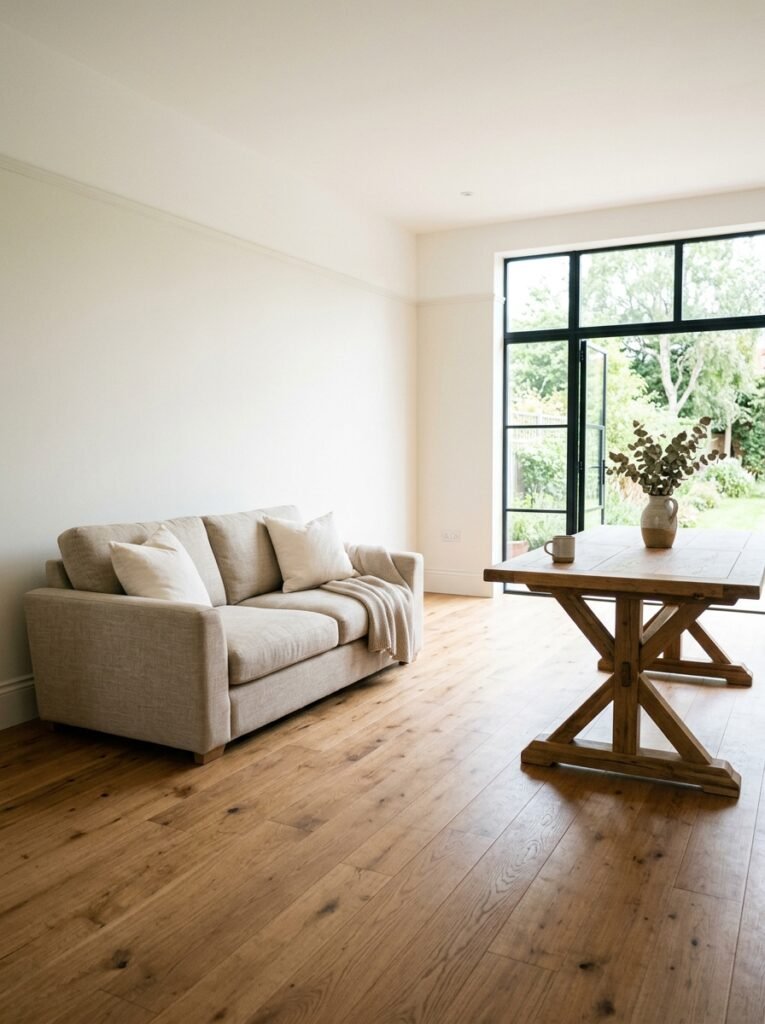
Furnishing an empty home tempts a lot of beginners to fill every room in one frantic weekend. Slow down instead, and prioritize a small handful of foundational pieces that everything else can build around.
A comfortable sofa or bed matters more than any accessory you could buy. These are the pieces you use daily and the hardest to replace later, so it is worth spending more here even if it means waiting on decor elsewhere. A stiff, unwelcoming sofa undermines an entire living room no matter how beautifully you style the shelves around it.
After seating and sleeping are handled, add one or two anchor pieces per room, a dining table, a dresser, a proper rug. These larger items set the scale and tone of a space, and choosing them early prevents the common beginner mistake of buying a room full of small decor with nothing substantial to hold it together.
Everything else, the lamps, the cushions, the art, can be added gradually over weeks and months. A home built this way ends up feeling far more cohesive than one assembled all at once from a single shopping trip.
Layer In Soft Textiles and Texture
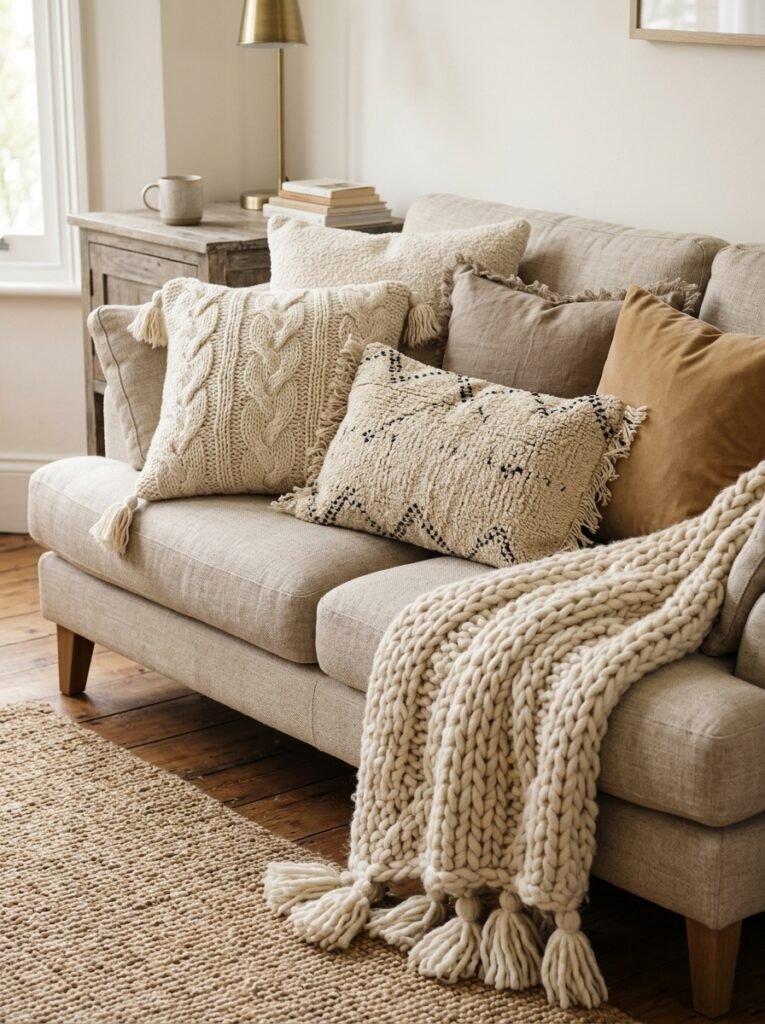
A room can have beautiful furniture and still feel strangely cold if everything in it is hard and smooth. Texture is what turns a functional room into a cozy one, and it happens to be one of the most affordable upgrades available to a beginner.
Start with a rug, even in rooms that already have decent flooring. A rug anchors a seating area, adds warmth underfoot, and instantly makes a room feel finished. Layer a soft throw blanket over the back of a sofa or the foot of a bed, somewhere you will genuinely reach for it on a cold evening rather than somewhere purely decorative.
Cushions do more heavy lifting than people expect. Mix a few different textures, a nubby linen beside a smooth velvet beside a chunky knit, all within your chosen palette. That contrast between materials creates richness far more effectively than several cushions in identical fabric ever could.
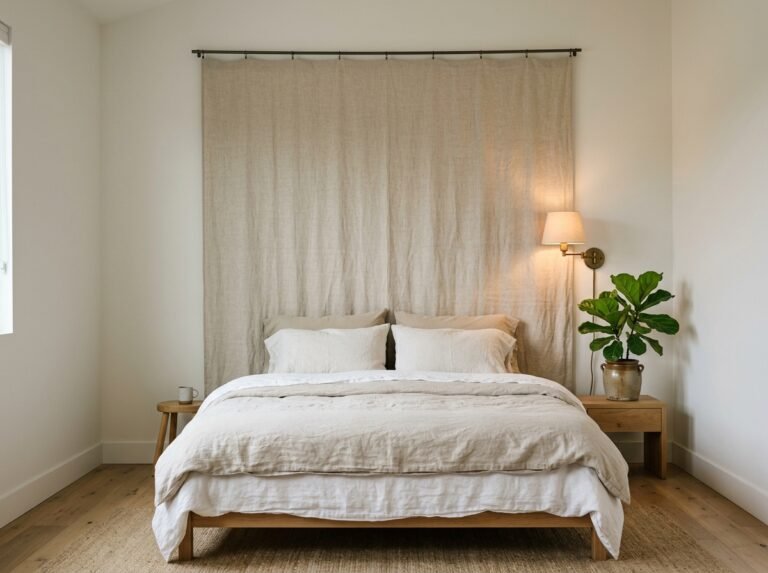
Curtains matter here too. Soft, flowing fabric in a natural material like linen or cotton adds another layer of texture while softening the light through the window, quietly supporting everything else you are building.
Bring In Natural Materials and Wood Tones
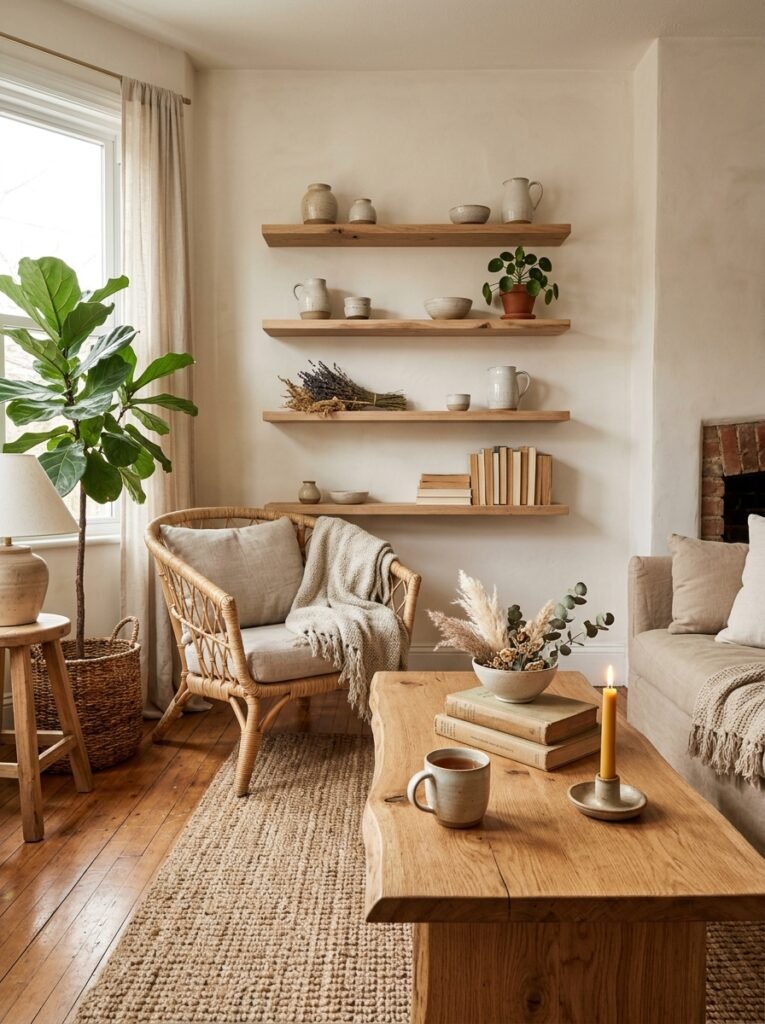
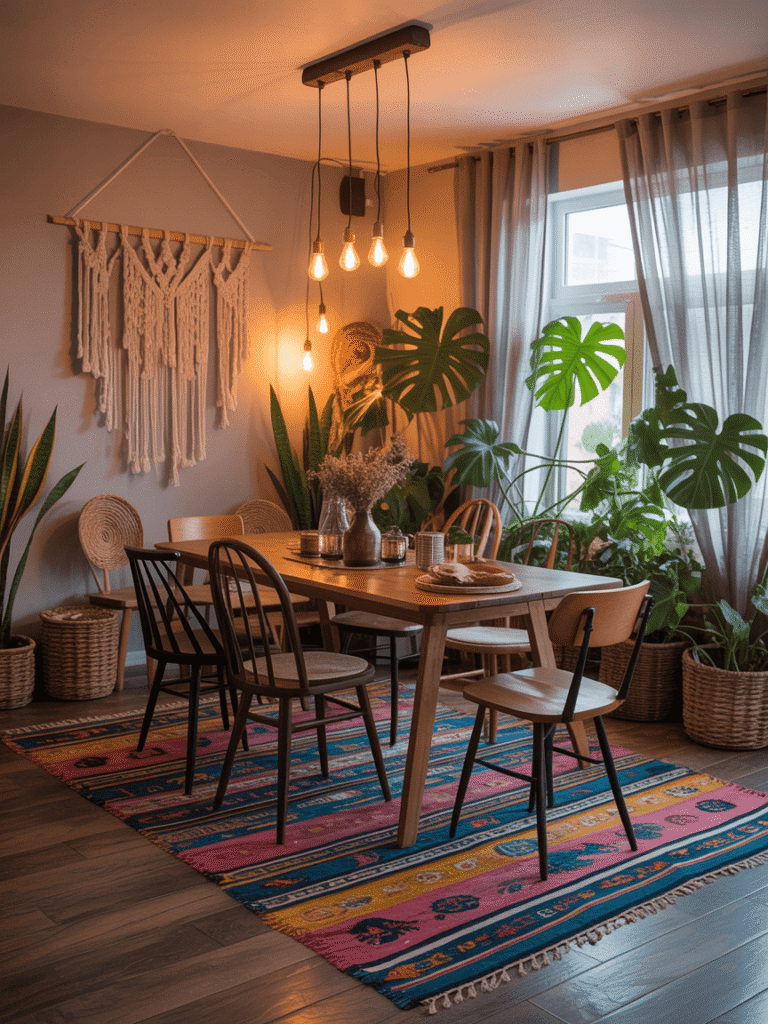
Natural materials ground a home in a way plastic and glossy laminate rarely manage. Wood, rattan, stone, and woven fiber all carry a warmth and imperfection that reads as inviting rather than sterile.
A wooden coffee table, a rattan chair, or a set of floating wood shelves brings organic texture into a room instantly. You do not need to match every wood tone perfectly either. A darker vintage side table beside a lighter oak bed frame looks collected and intentional, as long as the overall palette stays cohesive.
Secondhand furniture is worth exploring here more than almost anywhere else on this list. Thrift stores, estate sales, and online marketplaces are full of solid wood pieces built decades ago to standards most new furniture does not meet, often for a fraction of the price. A little sanding and oil brings tired wood back to life beautifully.
Even small touches count. A wooden serving board leaned against a kitchen backsplash, a woven basket for blankets, a stone coaster on a side table. These details add up faster than most beginners expect.
Fill Your Rooms With Plants and Living Things
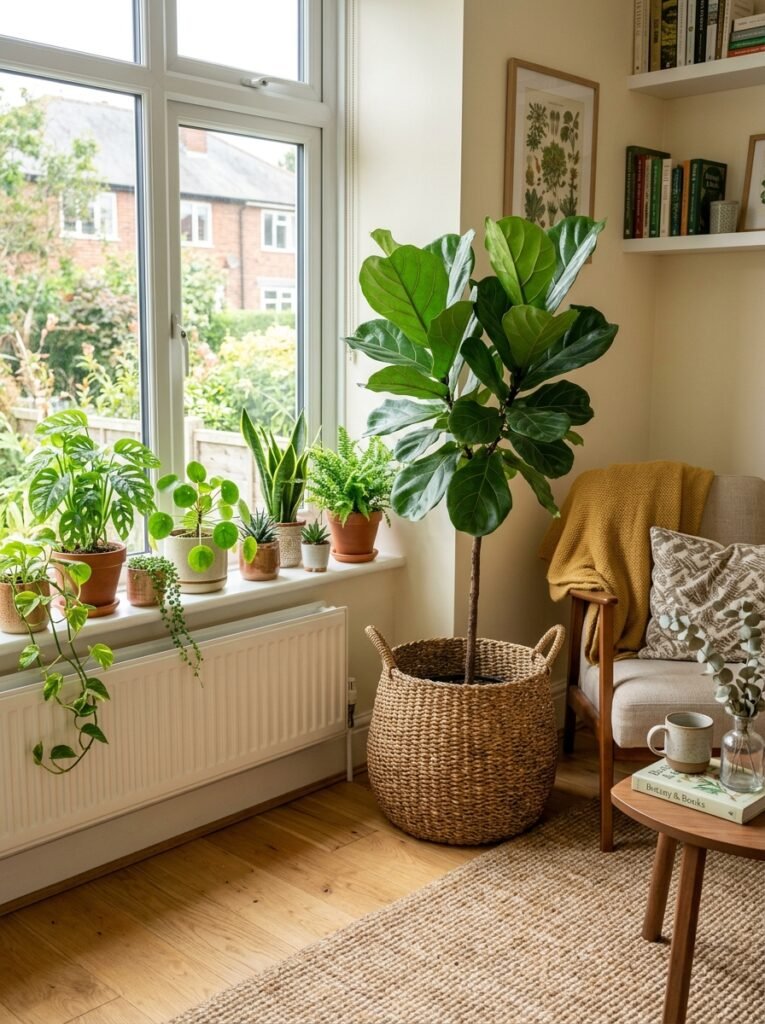
Nothing signals that a home is lived in and cared for quite like healthy greenery. A space entirely without plants, no matter how well decorated, tends to feel a little stiff, closer to a hotel room than someone’s actual life.
Start with forgiving, low-maintenance plants if you are new to this. Pothos, snake plants, and ZZ plants tolerate inconsistent watering and a range of light conditions, which makes them ideal while you are still learning your space’s natural light. Add one larger floor plant as a focal point in a room, then a few smaller potted plants on shelves and windowsills.
The container matters nearly as much as the plant itself. A leggy plant in its plastic nursery pot reads as neglected, while the same plant repotted into a simple ceramic or woven planter looks intentional and styled. Thrift stores are full of beautiful, inexpensive pots waiting for exactly this job.
If your space gets little natural light or your schedule makes plant care unreliable, a few quality faux plants mixed among real ones fill in the gaps without anyone noticing the difference from across the room.
Personalize With Meaningful Objects
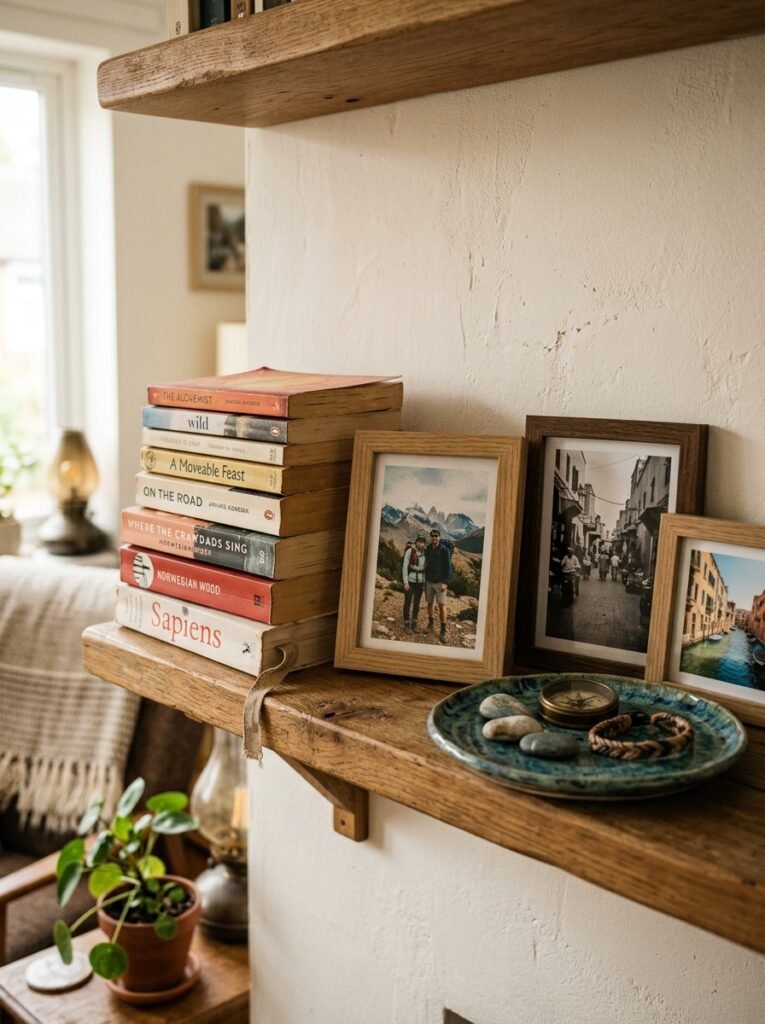
A home furnished entirely from a single store, however tasteful, tends to feel a little hollow. The final ingredient that makes a space feel genuinely cozy rather than simply well decorated is you.
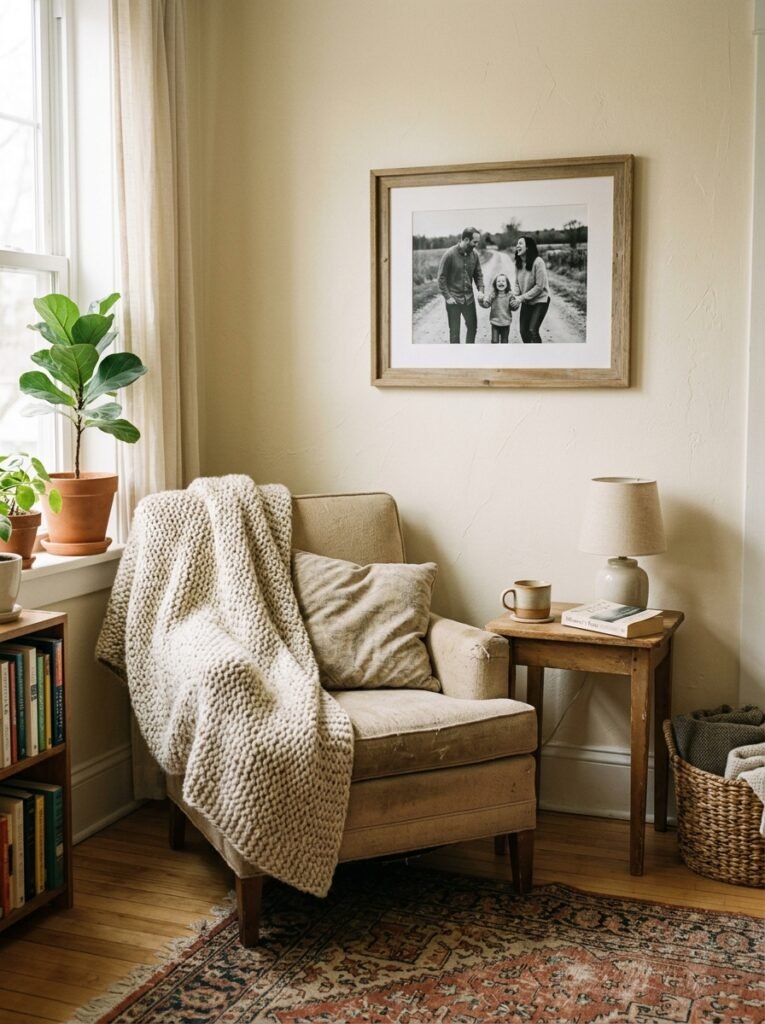
Display the things that actually matter. A shelf of well-loved books, photographs from trips that meant something, a piece of pottery a friend made, a quilt passed down through your family. These objects carry stories no amount of coordinated decor can replicate, and they are what people remember about a home long after they forget the paint color.
Do not wait until the space is fully furnished to add these touches either. Even in a mostly empty room, one meaningful object on an otherwise bare shelf tells you more about the person living there than a room full of generic decor ever could.
Building a home around what you actually love, rather than what a catalog suggests, is also the fastest way to stop second guessing every choice. If it means something to you, it belongs in your home.
Engage the Senses Beyond Sight
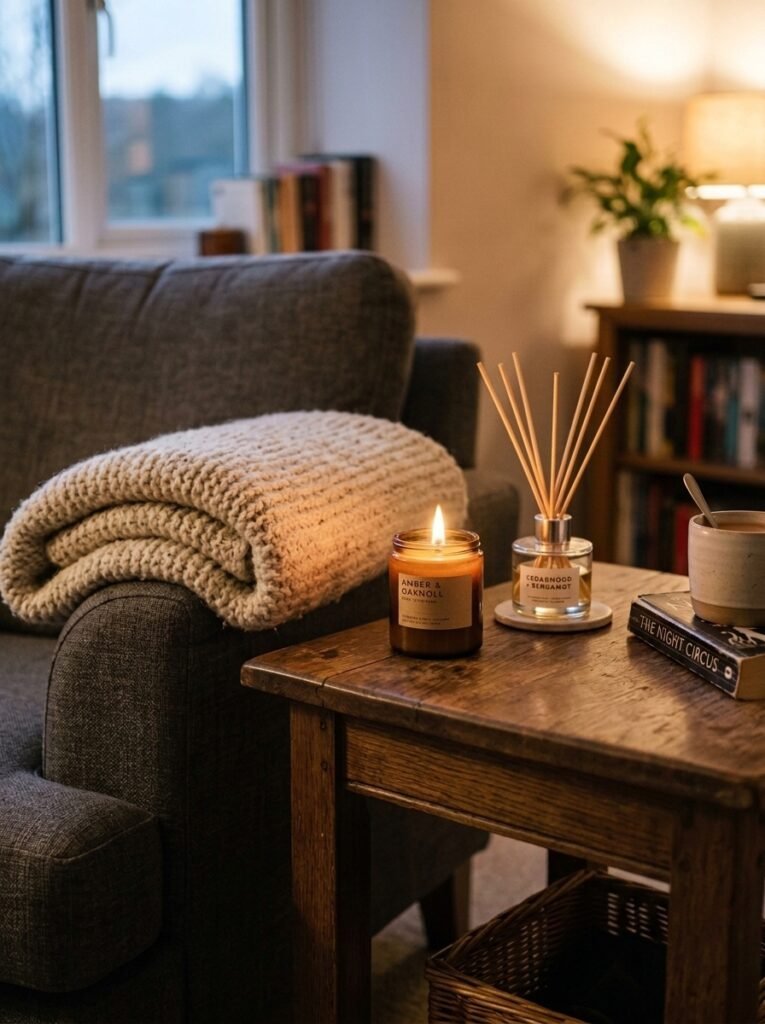
Most beginners focus entirely on how a home looks and forget that coziness is a full sensory experience. Sound, scent, and even temperature all shape how welcoming a space feels the moment someone walks through the door.
A candle or a simple reed diffuser in a warm scent like sandalwood, amber, or vanilla does more for a room’s atmosphere than people expect. Scent is deeply tied to memory and mood, and a consistent signature scent through your home becomes part of what makes it feel like yours the instant you smell it.
Sound matters too, though it is easy to overlook. Hard floors and bare walls create an echo that reads as unfinished, while rugs, curtains, and upholstered furniture soften a room acoustically as much as visually. A small speaker for quiet background music in the evening adds another layer most beginners never consider.
Even temperature plays a role. A soft throw within reach, a draft stopper by an old window, warm socks kept by the door in winter. These small comforts add up to a home that feels considered in ways guests notice without being able to name exactly why.
Build Gradually Instead of All at Once
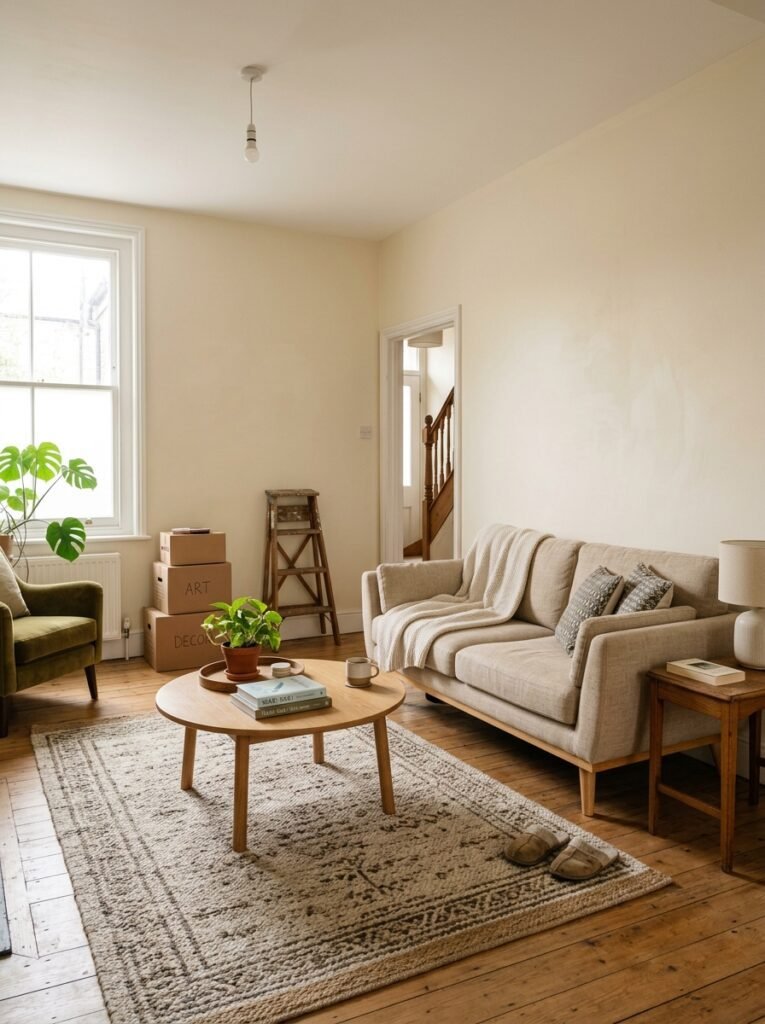
The biggest mindset shift for anyone creating a home from scratch is accepting that it will take time, and that this is actually a good thing rather than a problem to rush past.
Homes that feel truly cozy are almost never assembled in a single weekend. They evolve over months and years as you find the right rug, stumble onto a perfect vintage lamp, and slowly figure out which corner of the living room you actually want to sit in. Rushing to fill every wall and surface immediately usually results in a room full of decisions you regret within a year.
Give yourself permission to live with empty walls and bare corners for a while. An empty space waiting for the right piece is far better than a cluttered one filled with the wrong ones bought in a hurry just to fill the silence. This is especially true for art. Hanging every frame you own in one afternoon is exactly how a wall ends up feeling scattered instead of styled, and this guide on why your gallery wall feels chaotic explains how to build one piece by piece so it actually comes together.
Set a loose order of priorities, lighting and seating first, then texture and color, then personal touches, and work through them as your budget and taste allow. A home built this way tends to feel far more genuinely yours than one purchased all at once.
Practical Tips for Creating a Cozy Home
A few habits make the whole process smoother from the very first weekend.
- Change your light bulbs to warm white before buying anything else, since it is the fastest, cheapest shift available.
- Start every room with a rug and a lamp, even before furniture arrives, to make the space feel less bare.
- Shop secondhand first for wood furniture, since vintage pieces carry warmth new furniture often lacks.
- Repeat your chosen colors at least three times per room so the palette feels intentional rather than accidental.
- Keep a running list of what each room still needs, so you shop with purpose instead of on impulse.
- Live with a space for a few weeks before adding more, since needs often become clearer with a little time.
Common Mistakes to Avoid
The most common mistake beginners make is trying to finish every room immediately. A home furnished in one frantic weekend rarely feels as good as one built thoughtfully over months, and the rush often leads to purchases you regret later.
Another frequent error is chasing someone else’s exact aesthetic instead of your own preferences. A palette or style that looks stunning in a saved photo can feel oddly unlived-in when it does not reflect anything about the actual person occupying the space.
Ignoring lighting until the end undercuts everything else. A beautifully chosen sofa and rug still look flat and cold under a single harsh overhead bulb, so this deserves attention early rather than as an afterthought once the big furniture is in place.
Finally, some beginners buy matching furniture sets in one go, assuming coordination equals coziness. Rooms built from mismatched, collected pieces almost always feel warmer and more personal than a matching showroom set, so resist that particular shortcut.
Expert Insights on Building a Home That Feels Cozy Long Term
Interior designers who specialize in warm, livable spaces tend to return to a few consistent ideas. The first is that texture and light do more work than color choice ever will. A room in the “wrong” color but layered with warm lighting and soft materials will almost always feel cozier than a perfectly chosen paint shade lit by a single cold bulb.
Professionals also emphasize starting with function before decoration. A living room should be arranged around how you actually sit and gather before a single cushion gets chosen, since comfort and flow matter more to daily life than any accessory placed on top of them.
Another point worth remembering is that restraint matters as much as addition. The most inviting homes usually have a few quiet, uncluttered corners alongside their richer, layered ones, giving the eye somewhere to rest.
Finally, experienced designers point out that a cozy home is never really finished. It keeps evolving as your life does, and treating it as an ongoing project rather than a one-time task is what keeps it feeling genuinely yours for years to come.
Frequently Asked Questions
How long does it take to make a home feel cozy?
There is no fixed timeline, but most genuinely cozy homes take several months to a year to come together properly. Quick wins like warm lighting and a rug happen in a weekend, while the personal layer that makes a space feel truly yours tends to build gradually.
What is the cheapest way to start making a home feel cozy?
Swapping to warm white light bulbs delivers the biggest shift for the smallest cost. After that, a rug, a few soft cushions, and a couple of secondhand finds go a long way before any major furniture purchases are needed.
Can a modern or minimalist home still feel cozy?
Absolutely. Coziness comes from warm light, soft texture, and personal touches, not from a specific decorating style. A minimalist space with the right lighting, a few natural materials, and meaningful objects can feel just as warm as a maximalist one.
What is the biggest mistake beginners make when starting from scratch?
Trying to finish every room at once. Rushing the process usually leads to purchases that do not fit together well and a home that feels assembled rather than genuinely lived in. Building gradually almost always produces a better result.
Do I need to commit to one specific style throughout my home?
No. The most personal, cozy homes often mix styles and eras naturally, as long as a consistent color palette and similar warm materials tie the rooms together. Consistency in feeling matters far more than consistency in style.
Conclusion
Creating a cozy home from scratch is less about design expertise and more about a handful of deliberate decisions, made patiently and in a sensible order. Warm layered light, a palette that feels like you, soft texture, natural materials, living greenery, and the personal objects that carry your own story all combine into a space that feels genuinely welcoming rather than simply decorated.
Start with the lighting, choose a palette you actually love, and build outward from there one thoughtful piece at a time. Give the process the months it actually deserves rather than rushing to fill every wall in a weekend. Do that, and the empty rooms you are standing in right now will slowly become the home you never want to leave.