Backyard Decor Ideas That Actually Make a Difference
A lot of backyards fall into the same trap. There’s a patch of grass, maybe a fence, and one lonely piece of furniture sitting in the middle of it all looking a little lost.
It’s not that the yard is ugly exactly. It’s just unfinished, like someone bought one thing for the space and then got distracted before buying anything else.
If that sounds like your backyard, you’re definitely not alone. Most backyard decor advice jumps straight to expensive landscaping or a full patio rebuild, when really it comes down to a handful of smart, doable changes.
This guide breaks those changes down so you can actually use them, whether you’ve got a full weekend to spare or just an hour here and there between other things.
Fast Wins If You Only Have a Weekend
Not every backyard update needs to be a big project. A few changes make a noticeable difference in a single afternoon, before you’ve spent any real money on a bigger plan.
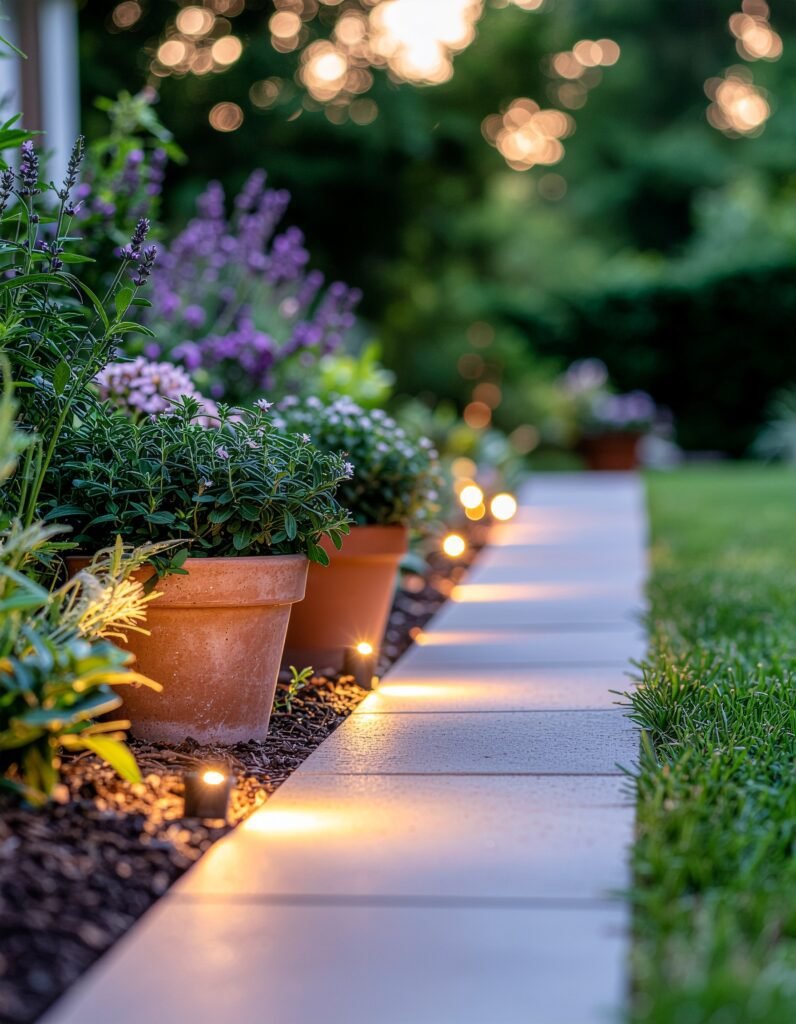
- Add a couple of solar path lights along a walkway or bed edge
- Group existing pots together instead of scattering them around the yard
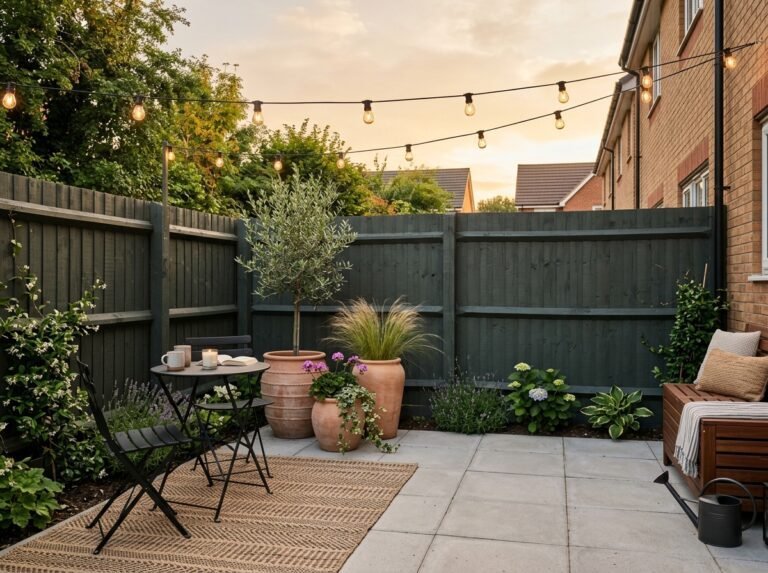
- Hang one string of warm white lights across a fence line or pergola beam
- Pressure wash or hose down furniture, pavers, and fences to reset how clean everything looks
- Move furniture into one cluster instead of leaving pieces spread out with no clear purpose
- Trim back anything overgrown that’s currently blocking a path or view
These won’t fix a yard that has bigger structural issues, but they buy you a noticeably better looking space while you plan out the rest.
Start By Giving the Yard Actual Zones
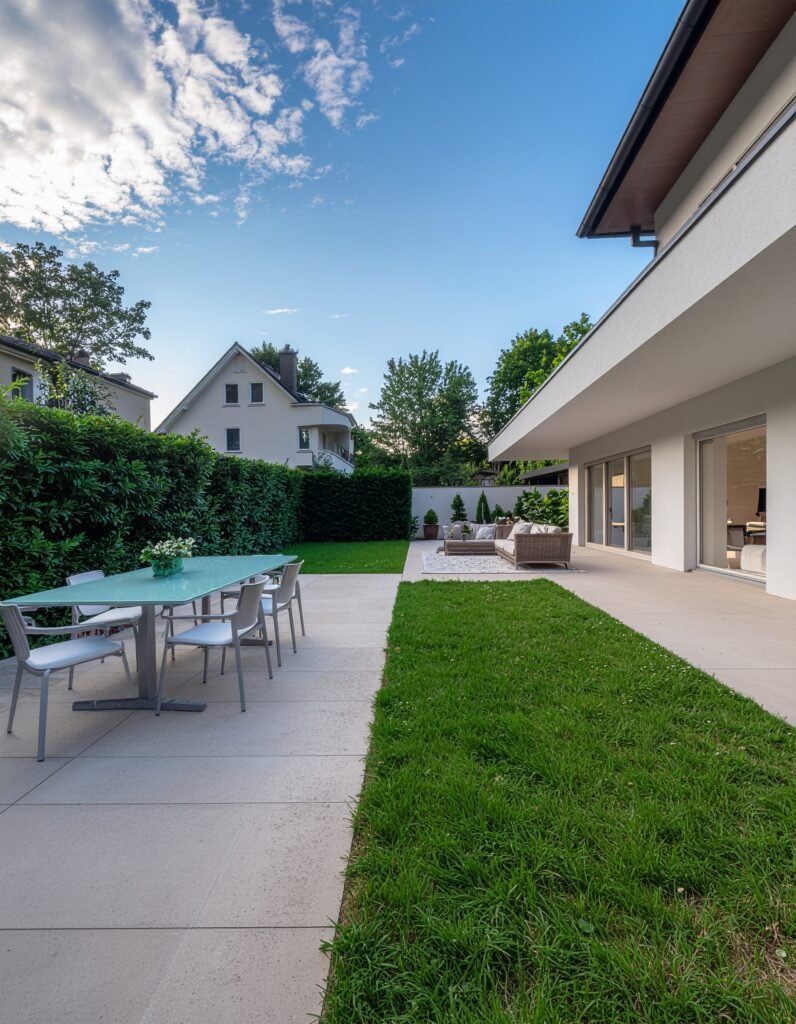
Here’s the biggest reason backyards feel unfinished. There’s no zoning, so the entire space reads as one big undefined area instead of a few clear, purposeful ones.
Even a small backyard benefits from being split into at least two zones, like a dining area and a lounge area, or a dining space and a garden bed. You don’t need hardscaping or a fence to pull this off. A rug, a change in furniture grouping, or even just a cluster of potted plants can visually separate one zone from another.
Think about how you’d actually explain the space to a guest. If the answer is just “that’s the yard,” it probably needs a bit more definition. If you can point and say “that’s where we eat” and “that’s where we relax,” you’re most of the way there already.
If your yard feels especially large and empty, or oddly shaped, this guide to zoning a yard that feels empty goes deeper into layout tricks for that exact problem.
Picking a Color and Material Palette That Doesn’t Feel Random
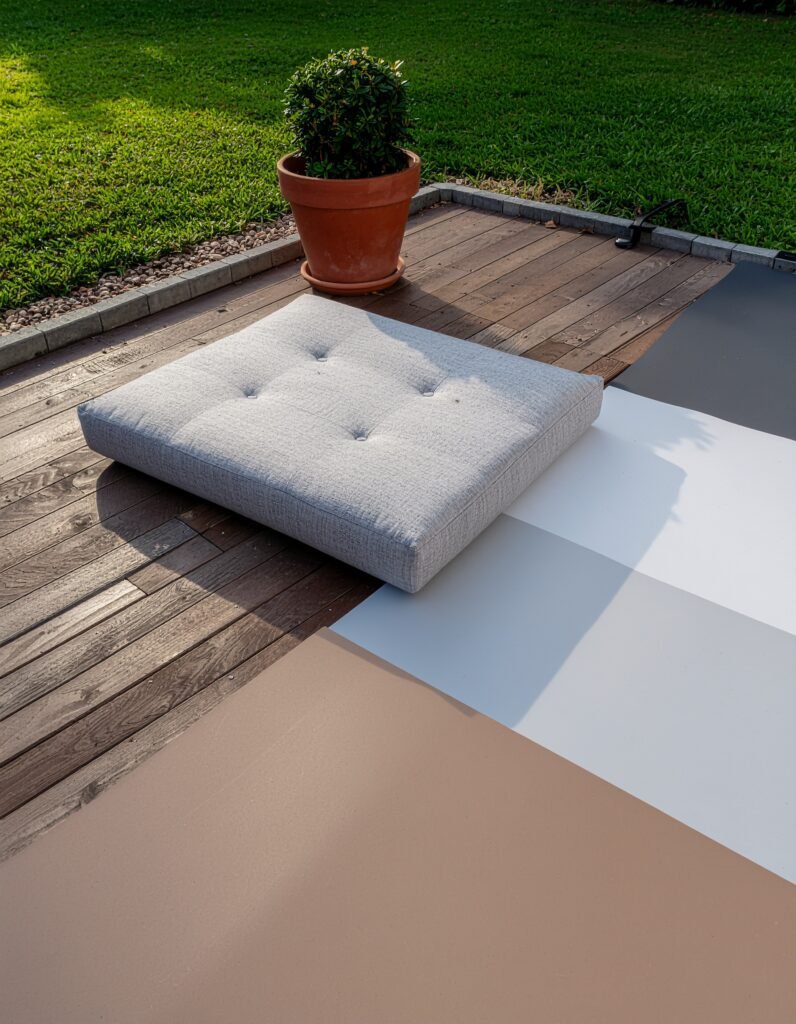
Backyards often end up with a strange mismatch of colors, since furniture, planters, and decor tend to get bought separately over time, each piece chosen without much thought to what’s already out there.
Picking two or three main colors before buying anything new helps everything feel pulled together instead of accidental. A common approach is a neutral base, like gray, sand, or white, with one accent color repeated across cushions, planters, and small decor pieces.
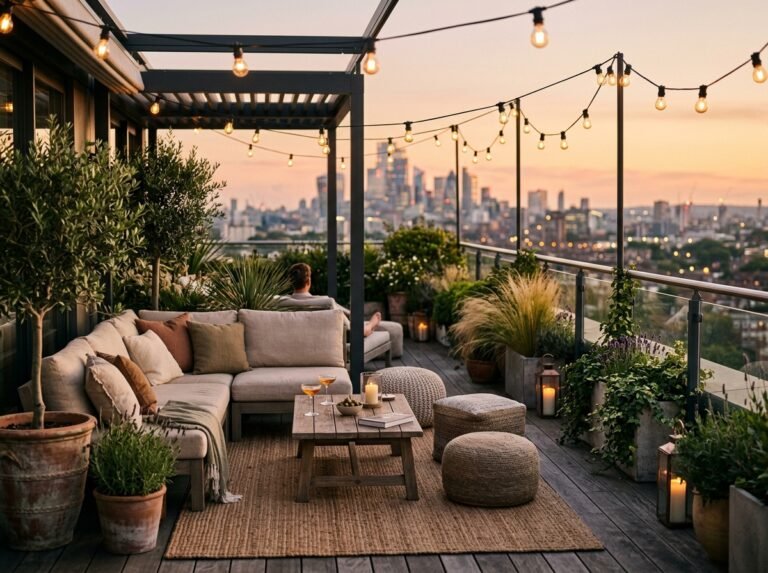
Materials matter just as much as color. Mixing warm wood tones with a bit of black metal and some woven texture reads as intentional and current, while an all plastic yard tends to look temporary no matter how it’s arranged. Even swapping out a few plastic planters for terracotta or concrete ones can shift the whole feel of a space.
Lighting Ideas That Change Everything After Sunset
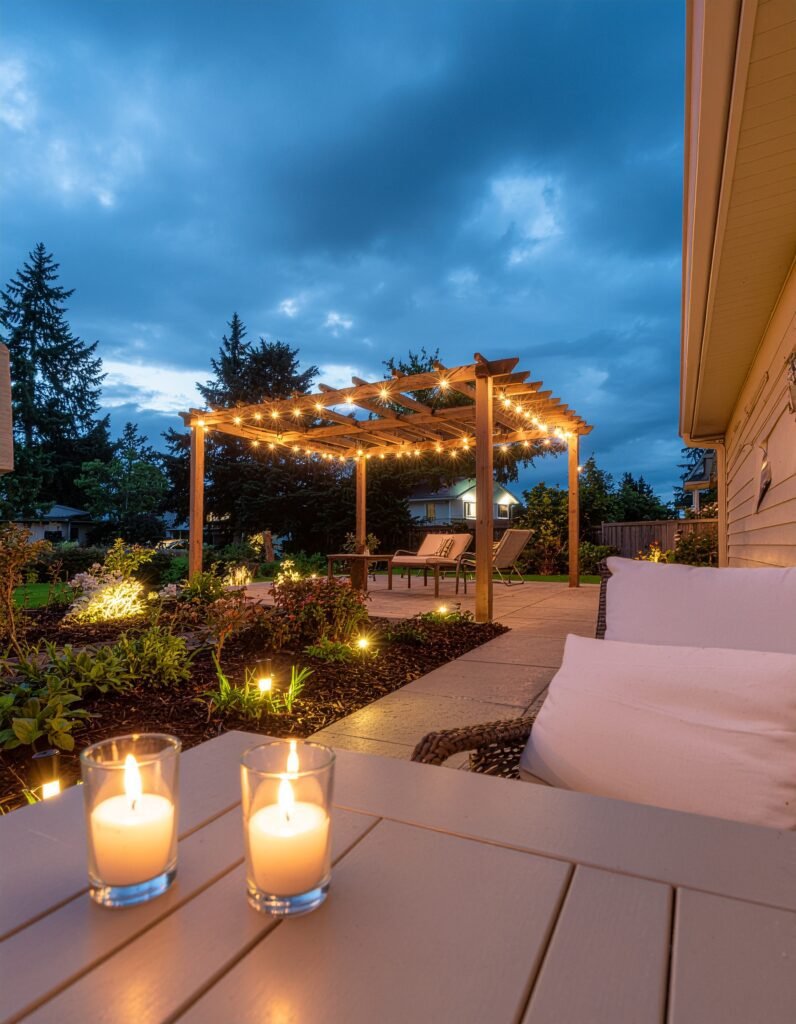
A backyard that looks perfectly fine during the day can feel completely unusable once the sun goes down, and lighting is almost always the reason why.
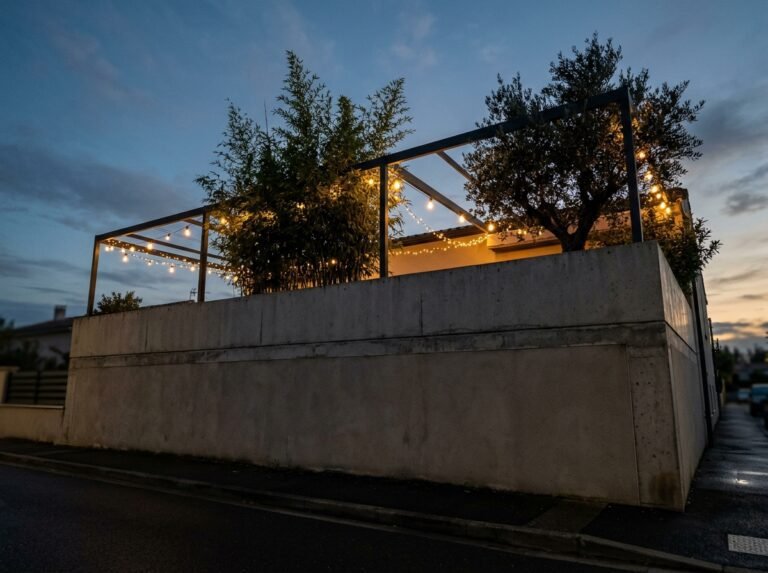
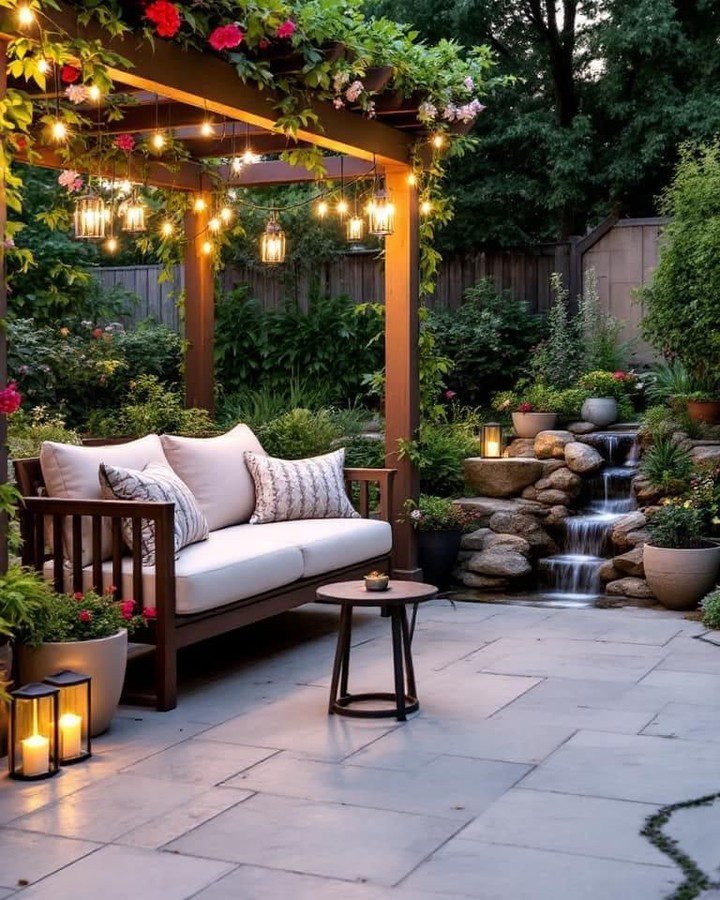
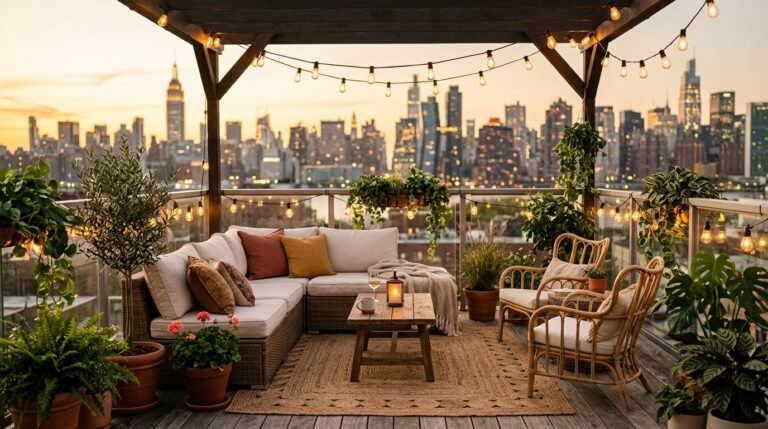
String lights are the easiest starting point, especially warm white ones strung along a fence, pergola, or between two posts. Solar lanterns and stake lights work well along paths or garden beds without needing any wiring or an electrician involved at all.
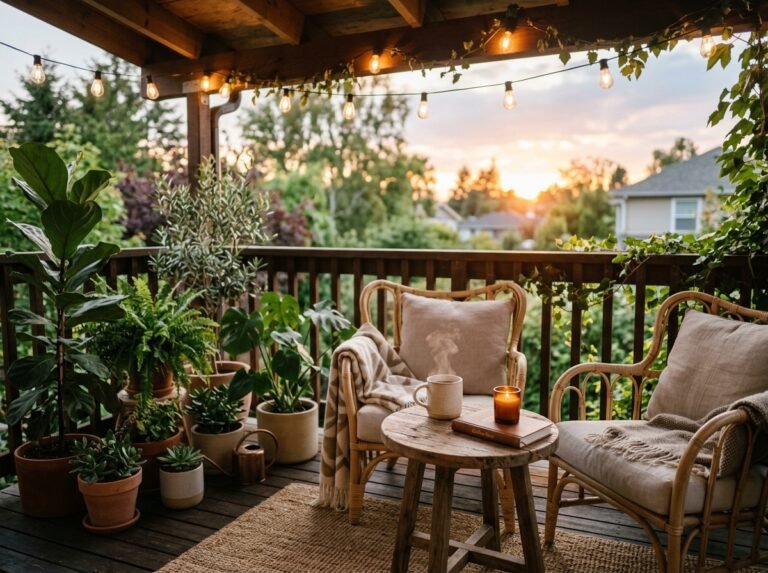
For a more finished look, a couple of flameless candles or lanterns on an outdoor table adds a softer glow than overhead lighting alone. Layering two or three light sources at different heights tends to look far more intentional than relying on one bright overhead fixture to do all the work.
If you do want something more permanent, low voltage landscape lighting along beds or steps is worth the investment, since it also doubles as a safety feature once it’s dark out.
Plants and Greenery That Do More Than Just Sit There
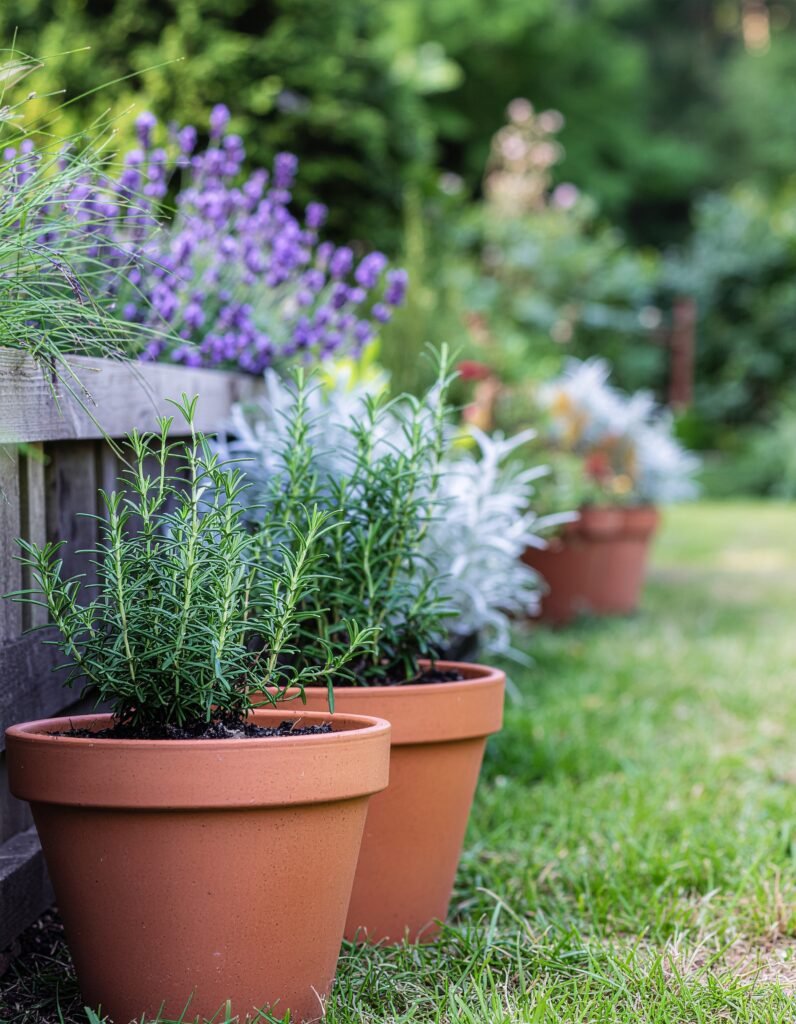
Plants are one of the fastest ways to make a backyard feel decorated instead of just furnished, but not every plant choice earns its space equally.
Taller plants or small ornamental grasses work well for adding privacy or softening a fence line that would otherwise feel bare. Potted plants at varying heights create visual interest without needing an in ground garden bed at all, which matters if you’re renting or just not ready for that commitment.
Herbs and low maintenance perennials are a practical choice if you want greenery that also serves a purpose beyond looking nice. A few pots of rosemary, mint, or lavender near a seating area add scent and everyday usefulness along with the visual appeal, and most of them tolerate a bit of neglect better than people expect.
Give the Space One Focal Point
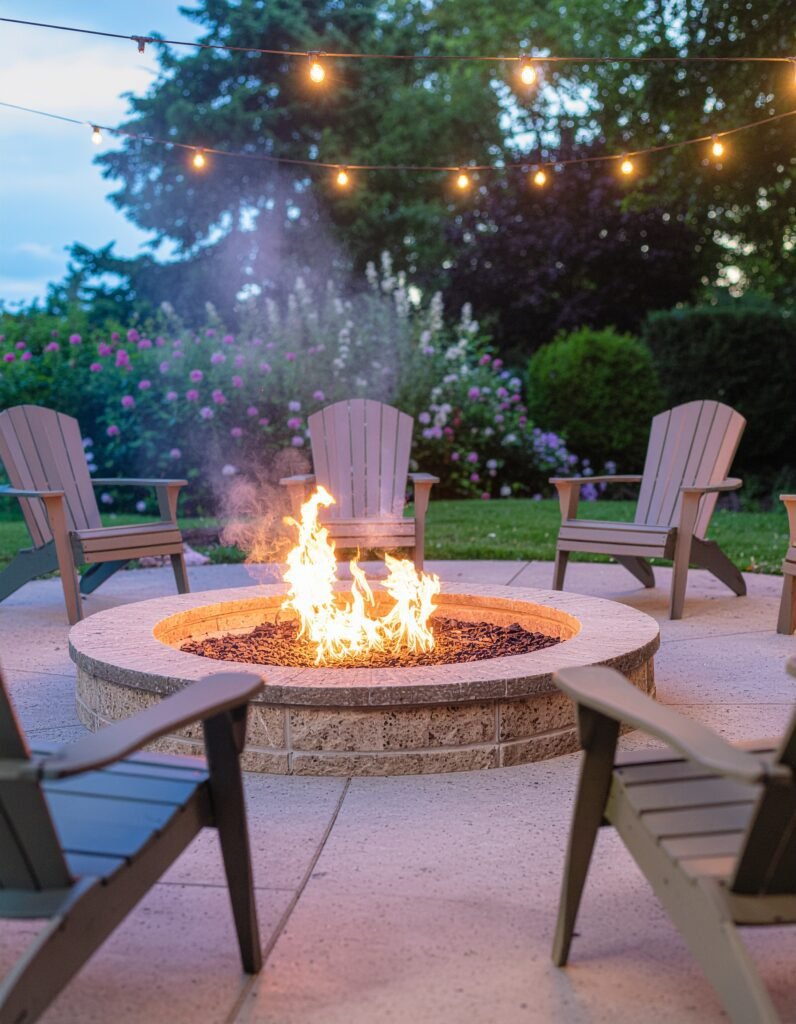
Every well decorated backyard usually has one feature that draws your eye first, rather than a dozen small details all competing for attention at once.
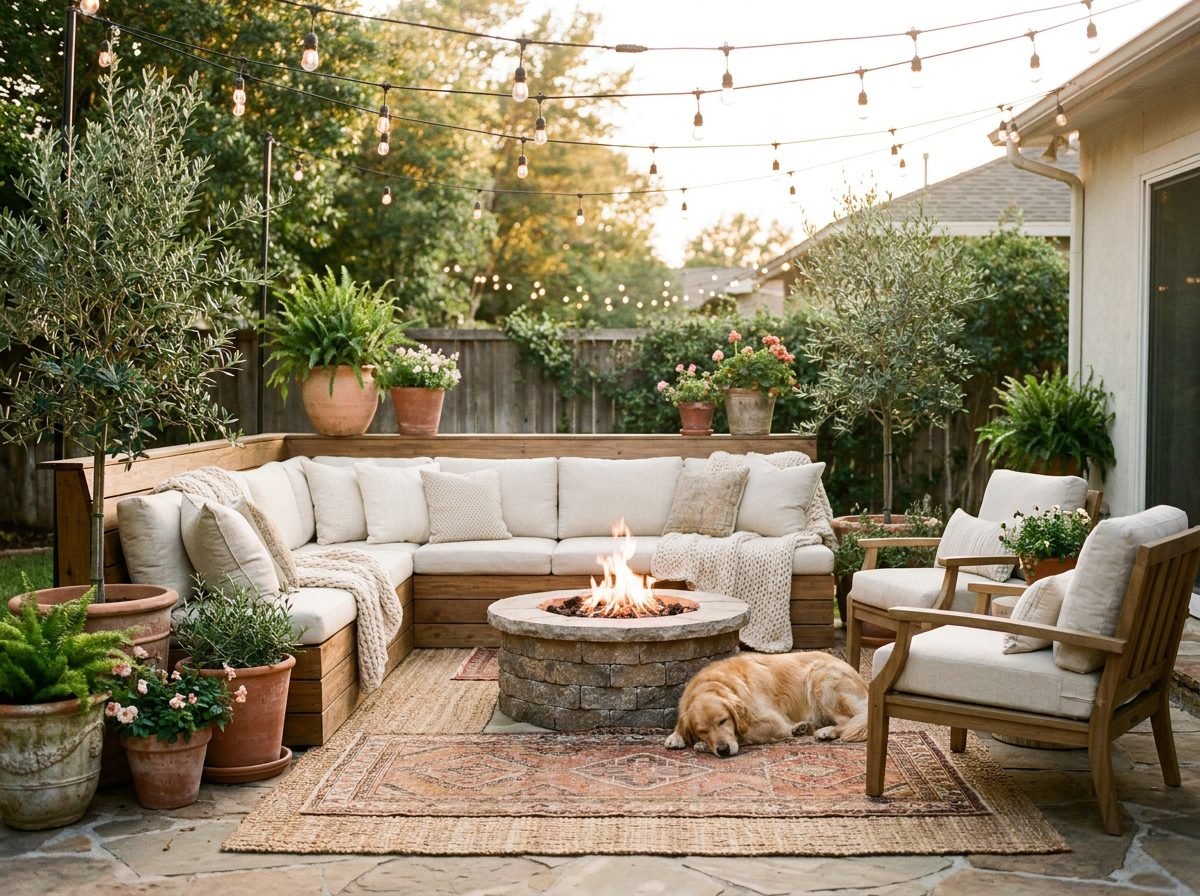
A fire pit is the most popular option, since it doubles as both a visual anchor and a genuine reason to spend time outside once the evenings cool off. A small water feature, like a tabletop fountain, works well in yards too small or too budget conscious for a full fire pit setup.
If neither of those fits your space, a single statement piece, like an oversized planter, a hammock, or a distinctive bench, can do the same job. The goal is one clear point of interest that the rest of the yard supports, rather than several smaller items all pulling attention in different directions.
Even a modest backyard reads as more designed the moment it has one obvious focal point instead of a scattered collection of separate decor choices.
Decor Accents Worth Adding (and a Few Worth Skipping)
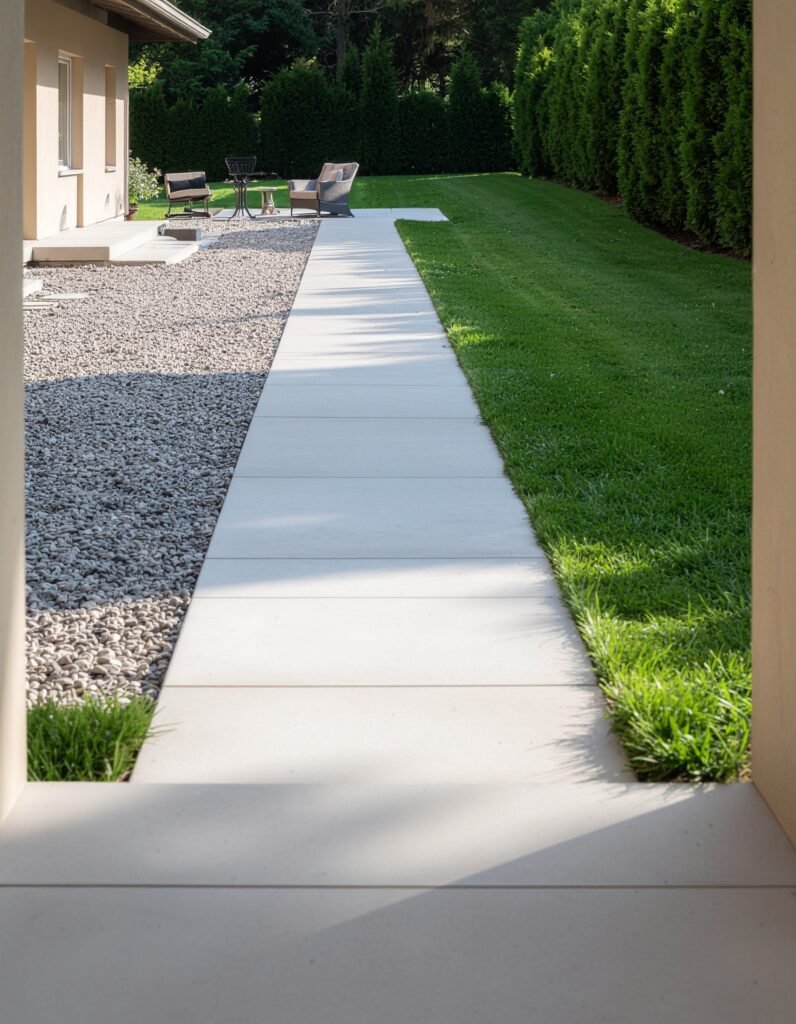
Small details finish a backyard the same way they finish an indoor room, though it’s easy to either skip them entirely or go overboard once you start shopping.
Outdoor rugs, weatherproof throw pillows, and a couple of lanterns tend to earn their keep. They’re relatively inexpensive, easy to swap out with the seasons, and make furniture look intentional rather than randomly placed on bare concrete or grass.
Skip anything that isn’t actually rated for outdoor use, since indoor decor items fade, warp, or mildew quickly once they’re exposed to real weather. It’s also worth resisting the urge to add too many small ornaments or figurines, since a backyard covered in knickknacks starts to look cluttered fast, even if each individual piece is nice on its own.
Furniture Placement for Oddly Shaped or Sloped Yards
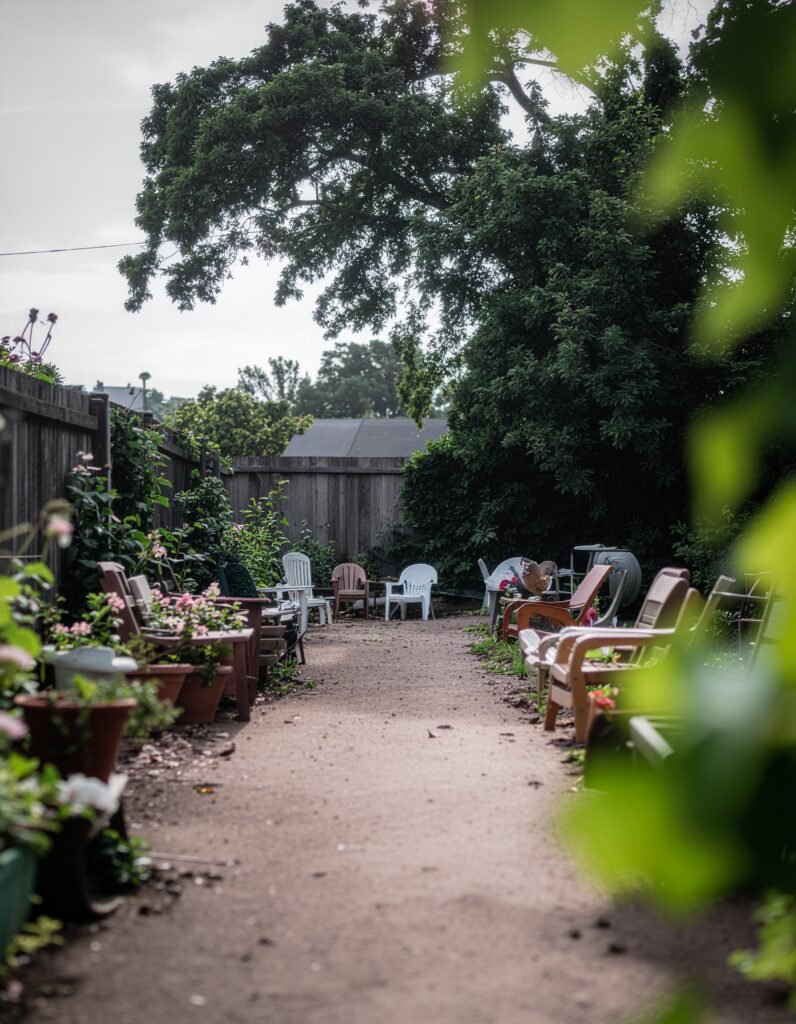
Not every backyard is a neat rectangle, and furniture placement gets tricky fast once you’re working with an odd shape, a slope, or an awkward corner.
For narrow yards, furniture that runs along the length of the space rather than across it usually works better, since it keeps a clear walking path down the middle instead of forcing people to squeeze past. Round tables help in tight or irregular corners too, since there are no sharp edges to navigate around.
On a sloped yard, a small paved or gravel platform for furniture keeps everything level and stable, which matters more than it sounds like it would once you’re actually trying to eat dinner on an uneven surface. For corner lots or L-shaped yards, treating each section as its own small zone usually works better than trying to force one furniture layout across the whole irregular space.
Common Mistakes That Make a Backyard Feel Unfinished
A few patterns show up again and again in backyards that never quite come together, no matter how much money gets spent on them:
- Buying furniture and decor separately over time with no color or style plan connecting any of it
- Leaving the whole yard as one open zone instead of splitting it into a couple of clear areas
- Skipping lighting entirely, which makes the space unusable the moment the sun goes down
- Overcrowding a small yard with too much furniture, leaving no actual room to walk through it
- Ignoring shade completely, so the space only gets used during a narrow window of the day
- Adding decor piece by piece with no single focal point tying the yard together
Most of these come down to planning a little before buying, rather than picking things up one at a time as they happen to catch your eye in a store.
Budget-Friendly Backyard Decor Swaps
A backyard refresh doesn’t need a big budget to make a genuinely noticeable difference.
- Repaint an old fence or furniture set instead of replacing it outright
- Buy a few solar lights instead of running new electrical wiring
- Shop end of season sales for furniture, planters, and outdoor decor
- Propagate or divide existing plants instead of buying new ones every season
- Use gravel or mulch instead of pavers to define a zone affordably
- Rehome or repurpose furniture from inside the house before buying anything new for outside
Small, consistent updates usually add up to a better looking yard than one expensive purchase that doesn’t actually address the bigger layout problems underneath it.
Frequently Asked Questions
What’s the fastest way to make a backyard look decorated? Lighting and plant groupings tend to have the biggest visual impact for the least effort. Adding a string of lights and clustering a few potted plants together can transform how a space feels in a single afternoon.
How do I decorate a backyard on a tight budget? Focus on a few key pieces, like a rug and some lighting, and repaint or refresh what you already own instead of replacing it. Small, consistent changes usually beat one big expensive purchase.
Do I need landscaping to make my backyard look good? Not necessarily. Furniture placement, lighting, and a couple of well chosen plants can make a big difference even without any structural landscaping work involved at all.
How do I decorate an oddly shaped or sloped backyard? Work with the shape instead of against it. Long, narrow yards do well with furniture placed along the length of the space, and sloped yards benefit from a small level platform for furniture and seating.
What backyard decor items should I avoid buying? Skip anything not rated for outdoor use, since indoor decor fades and warps quickly once it’s outside. It also helps to avoid overcrowding a small space with too many decor pieces at once.
Bringing It All Together
A backyard doesn’t need a full renovation to feel decorated. It mostly needs a plan, even a loose one, so that furniture, plants, and lighting all work together instead of just sitting in the same space by coincidence.
Start with one or two changes rather than trying to fix everything at once. A little zoning, some lighting, one clear focal point, and a handful of well chosen plants go a long way toward making a backyard feel like a real part of your home instead of an afterthought sitting behind it.