How to Make Your Home Look Expensive Without Spending a Fortune (10 Simple Steps)
Walk into an expensive-looking home and something interesting happens. You rarely notice any single costly item. What you register instead is a feeling, a sense that everything is considered, cohesive, and cared for. That feeling is what people are really chasing when they want a home that looks expensive, and here is the secret the design world does not advertise loudly enough. That feeling has surprisingly little to do with money.
I learned this watching two nearly identical apartments side by side. One was filled with genuinely pricey furniture and still felt flat. The other was furnished mostly secondhand and looked like it belonged in a magazine. The difference came down to a handful of principles that cost almost nothing to apply.
These are the ten steps that consistently deliver that elevated, expensive look on a normal budget. None of them require renovation, and most can happen this weekend.
Declutter Like a Stylist
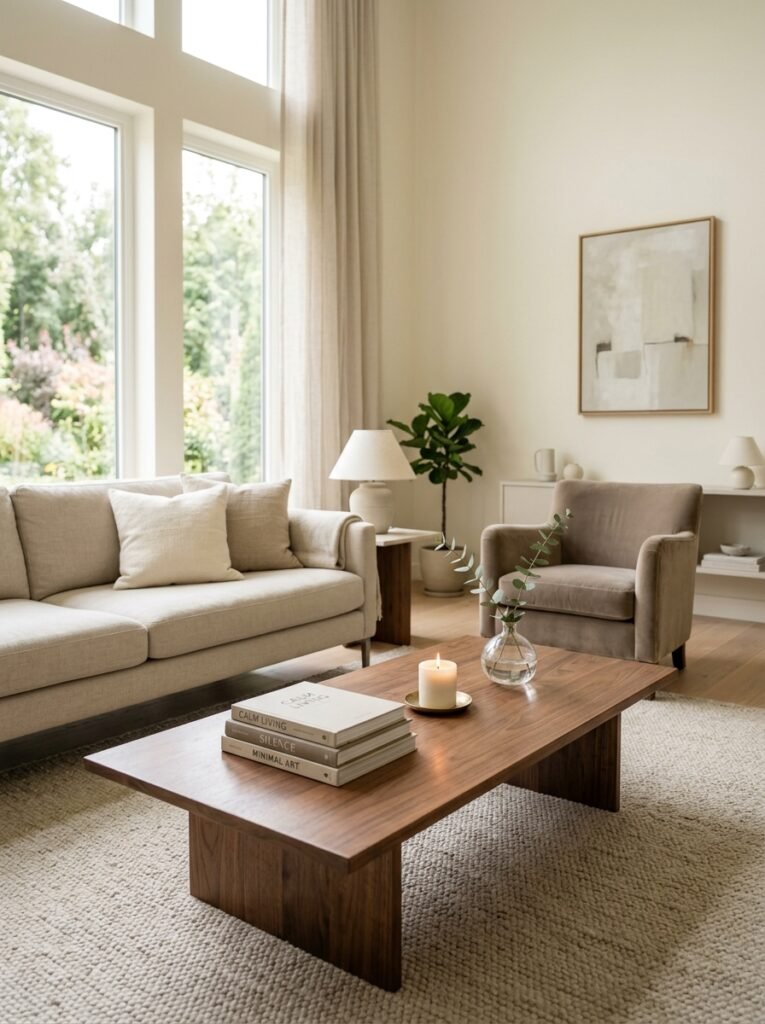
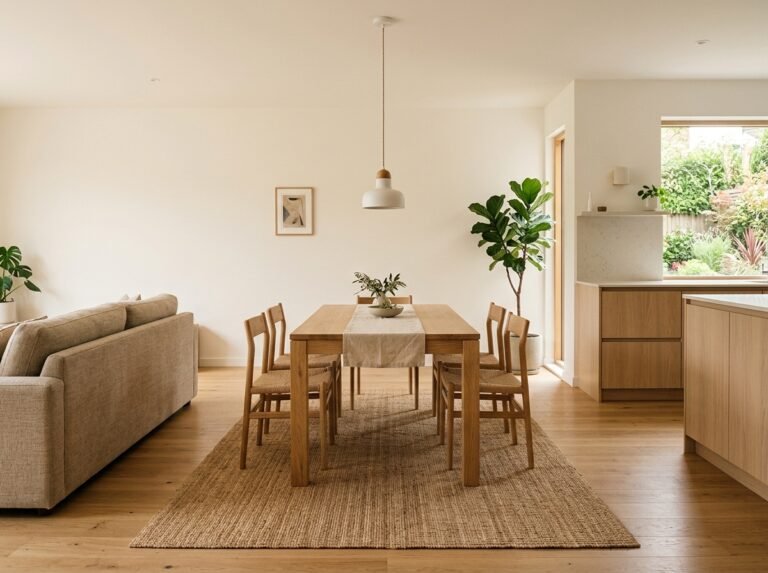
Before spending a single dollar, remove things. Expensive-looking homes share one universal quality, and it is breathing room. Luxury retail stores display a few beautiful items with space around them, while discount stores pack shelves to the ceiling. The same visual math applies at home.
Clear the counters down to a few intentional objects. Thin out the bookshelves. Remove the extra chair nobody sits in and the pile of things waiting to find a home. Every surface should hold fewer items than feels natural at first.
This single free step does more for the perceived value of a home than almost any purchase, because clutter reads as chaos and space reads as luxury.
Upgrade Your Lighting Temperature
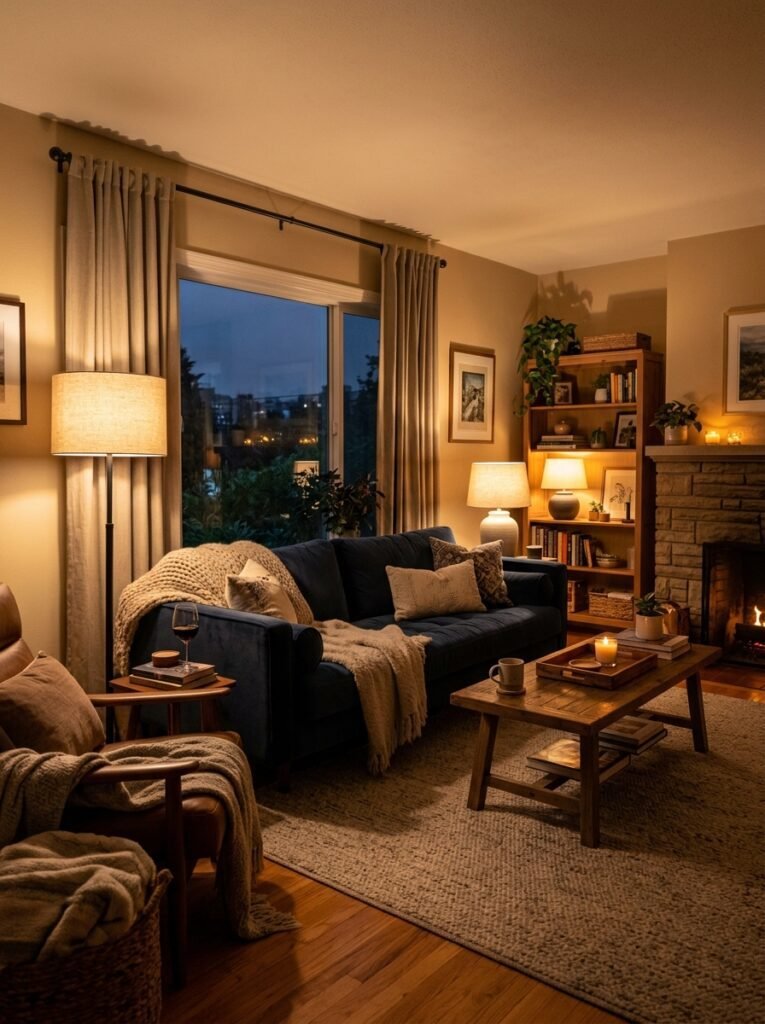
Nothing cheapens a home faster than cold, bluish light, and nothing elevates one faster than a warm glow. Swap every bulb in your main living areas to warm white, ideally in the 2700K range, and the entire home instantly feels more inviting and more expensive.
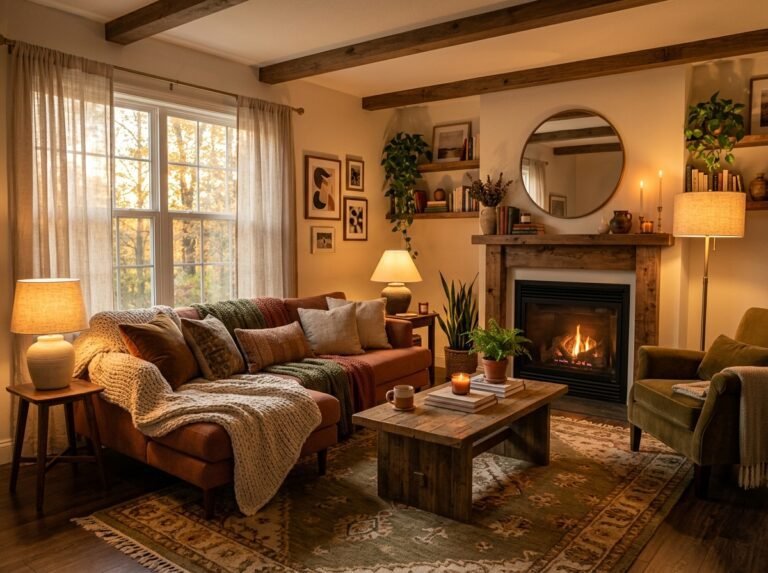
Then stop relying on the overhead light alone. Lamps at different heights around a room create pools of warm light that feel deliberate and layered, the way hotels and high-end restaurants light their spaces. Two or three inexpensive lamps with warm bulbs transform an evening room completely.
Dimmer switches cost little and take minutes to install, and they might be the single best value upgrade in this entire list.
Hang Curtains High and Wide
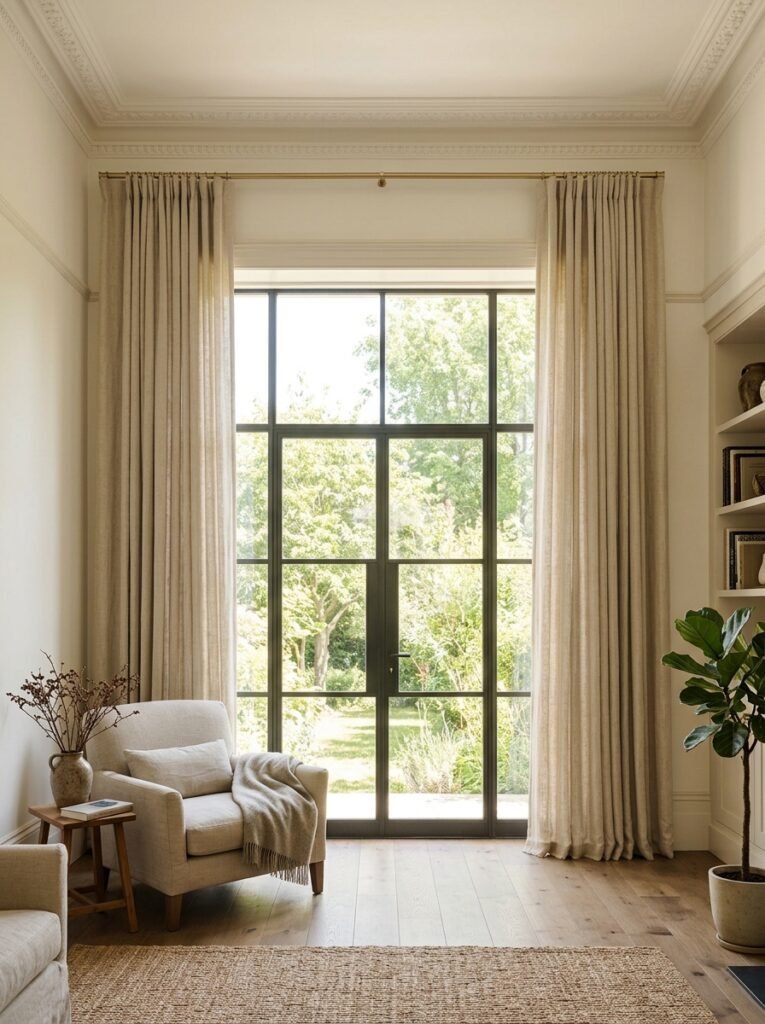
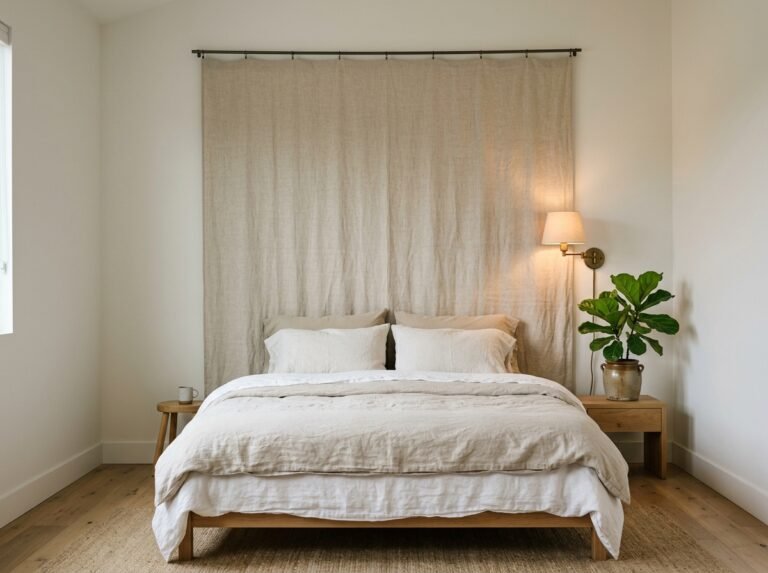
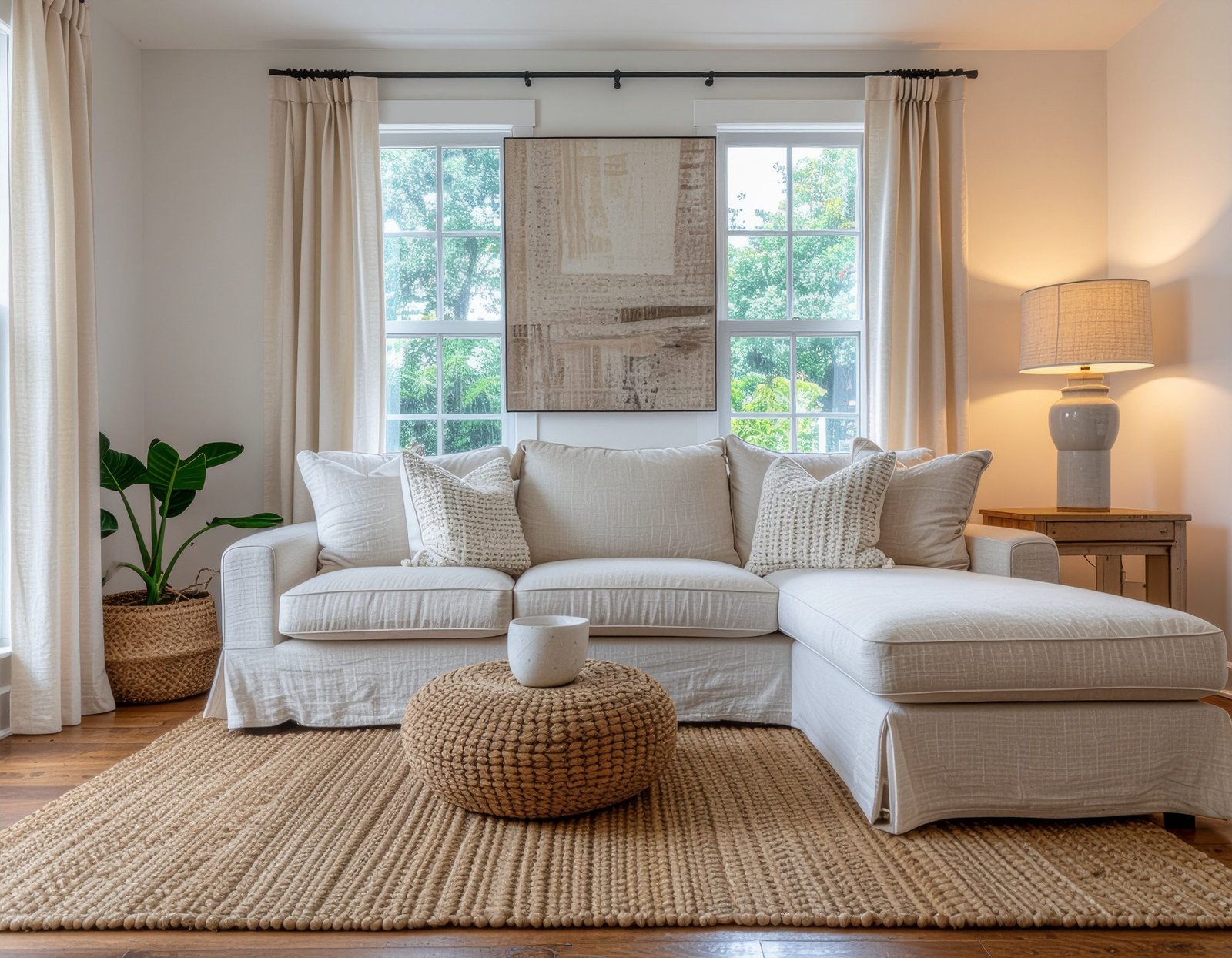
Curtains are where budget homes give themselves away, and the fix costs nothing but placement. Mount the rod close to the ceiling rather than just above the window frame, and extend it well past the window on both sides. The window instantly reads as grander, the ceiling as higher, and the whole room as more architectural.
Choose curtains long enough to just kiss the floor, since flooding light through fabric that stops awkwardly mid-wall shrinks the room. Simple white or natural linen-look panels from any budget store look remarkably high-end when hung generously.
Skip the sheer plastic-feeling panels and short cafe lengths in living spaces. Length and height are doing the expensive work here.
Edit Your Color Palette
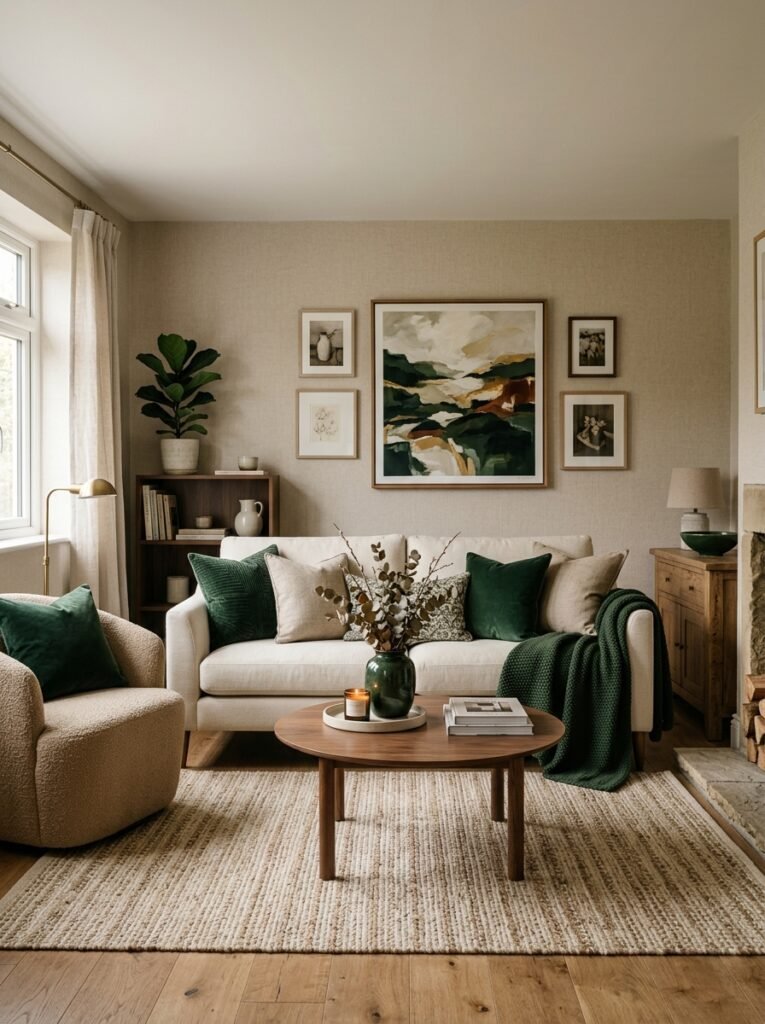
Expensive rooms almost always share a disciplined color story, usually two or three main colors repeated deliberately throughout the space. Budget rooms tend to collect a little of everything, and that visual noise reads as inexpensive no matter what the individual pieces cost.
Walk through your main rooms and notice the colors competing for attention. Then choose a palette, perhaps warm neutrals with one deeper accent, and edit toward it. Move or store the items that fight it. Repeat your chosen colors in at least three places per room through cushions, throws, art, and accessories.
This costs nothing when you work with what you own, and the cohesion it creates is precisely what makes designed spaces feel designed.
Swap Out Builder-Grade Hardware
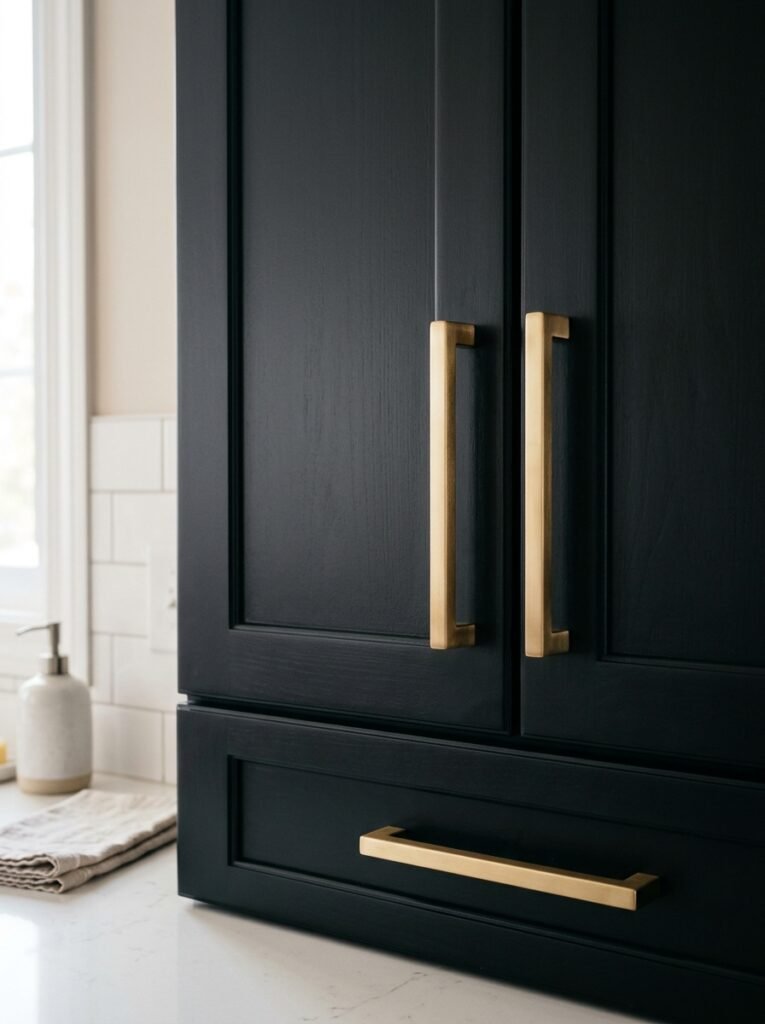
Few upgrades deliver more perceived value per dollar than replacing dated hardware. Cabinet pulls, door handles, and switch plates are touched and seen constantly, and shiny builder-grade basics quietly announce a budget home.
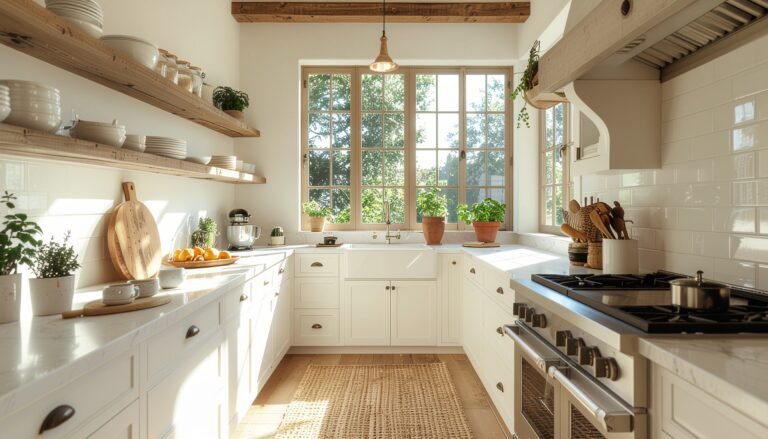
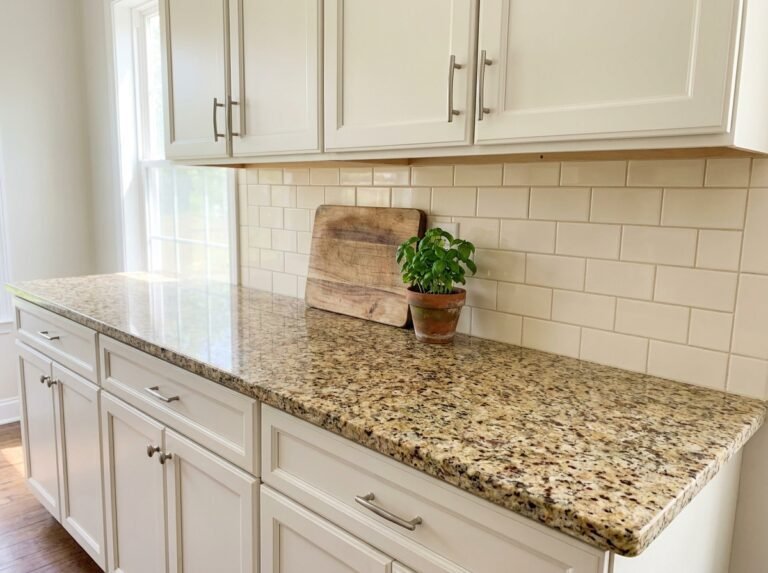
Matte black, brushed brass, and aged bronze hardware costs a few dollars per piece online and installs with a screwdriver in an afternoon. A kitchen with updated pulls looks years newer, and matching switch plates throughout a home add a subtle finished quality most people feel without identifying.
While you are at it, replace any yellowed or cracked outlet covers. It is a tiny detail that removes a tired feeling from the walls.
Invest in Oversized Art
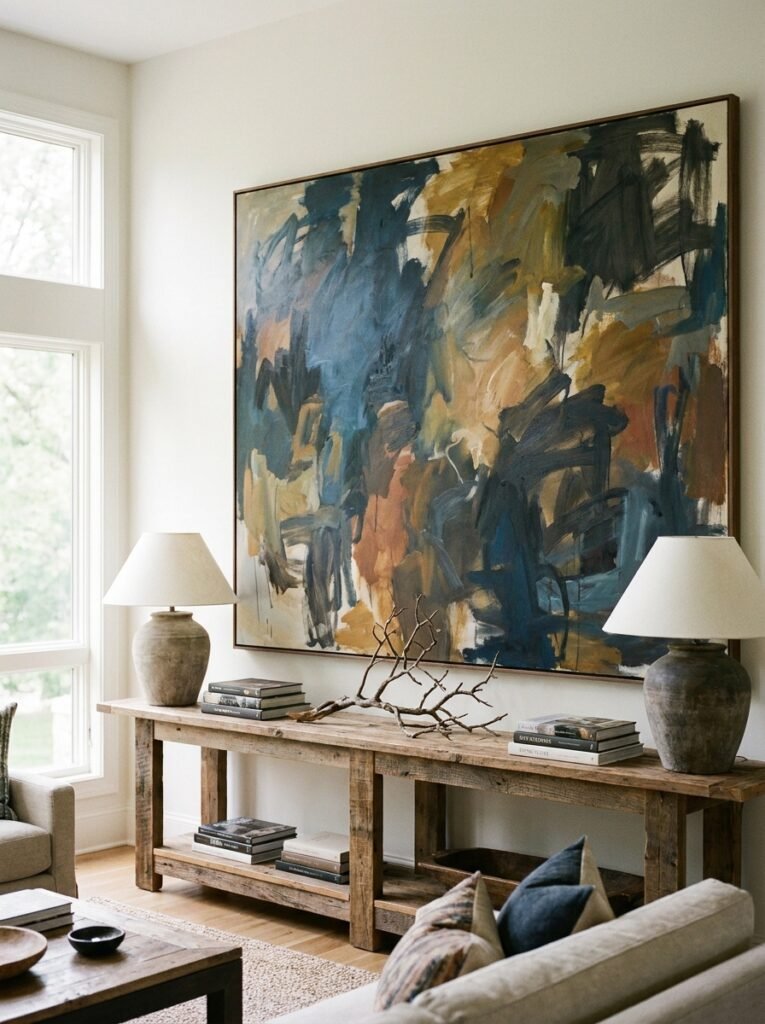
Small art scattered on large walls is one of the most common budget giveaways. Expensive-looking homes hang art generously, with pieces scaled to the wall they occupy.
The good news is that oversized art does not require oversized spending. Large-scale prints are affordable from online print shops, engineering print services can enlarge personal photos for very little, and a large canvas painted in simple abstract strokes costs only the supplies. Even a big frame around fabric, a vintage map, or handmade paper reads as substantial.
One large piece hung at proper eye level, with its center around 57 to 60 inches from the floor, will always look richer than a scatter of small frames drifting up a wall.
Add Fresh Greenery and Flowers
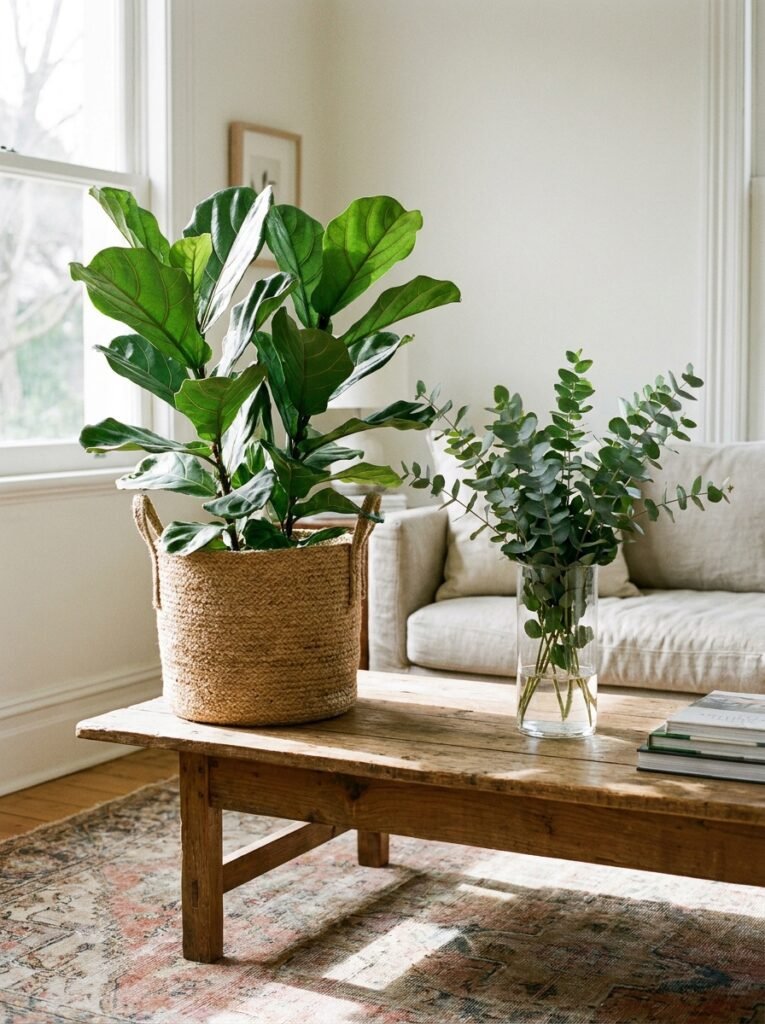
Living things signal care, and care is the essence of the expensive look. A large healthy plant in a beautiful pot, a few stems of eucalyptus in a glass vase, or grocery store flowers arranged simply in a low bowl all lift a room in a way no plastic decor can match.
The pot matters as much as the plant. A leggy plant in its plastic nursery container reads as neglected, while the same plant in a ceramic or woven planter reads as styled. Thrift stores overflow with beautiful vessels for a few dollars.
If maintenance worries you, choose forgiving plants like pothos, snake plants, and ZZ plants, and let a single branch of seasonal greenery stand in for flowers most weeks.
Style With Texture Instead of Stuff
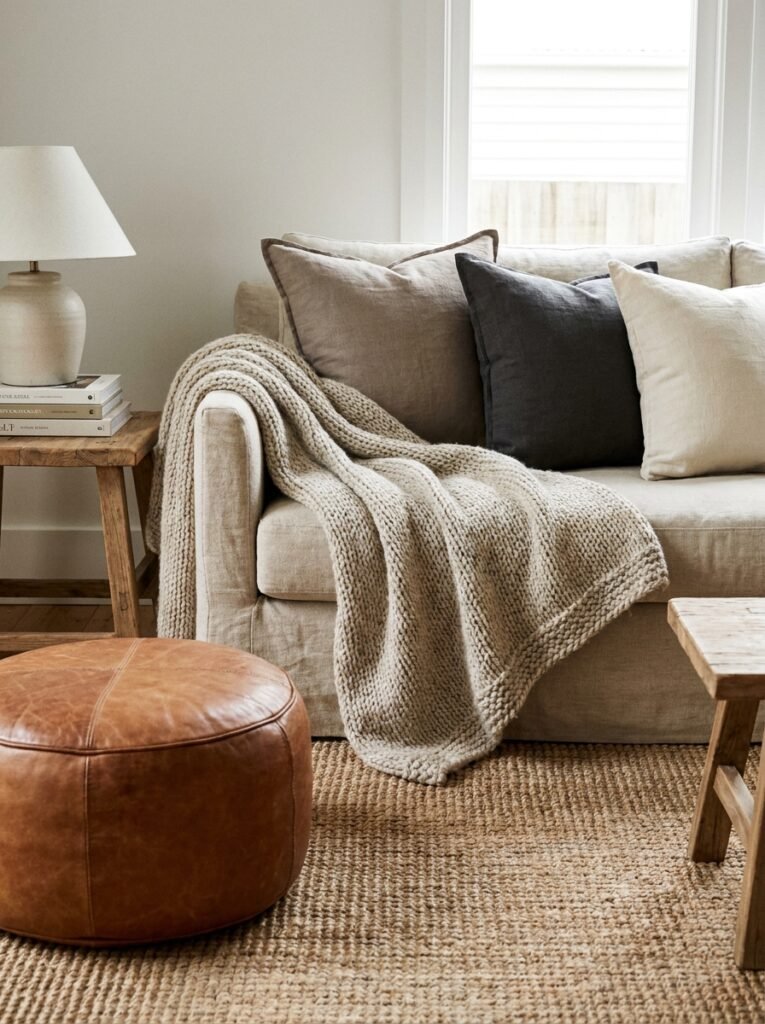
When rooms feel flat, the instinct is to add more things, but expensive rooms add texture instead. A chunky knit throw over a smooth sofa, a jute rug under a wood table, linen cushions beside leather, a ceramic bowl on a glossy surface. The contrast between materials creates richness that quantity never will.
Audit each room for texture variety. If everything is smooth and flat, introduce one or two woven, knitted, or natural elements. If everything is soft, add something in wood, stone, or metal.
This principle also explains why decluttering works so well. Fewer objects with more textural interest always beats many objects with none.
Conceal the Visual Noise
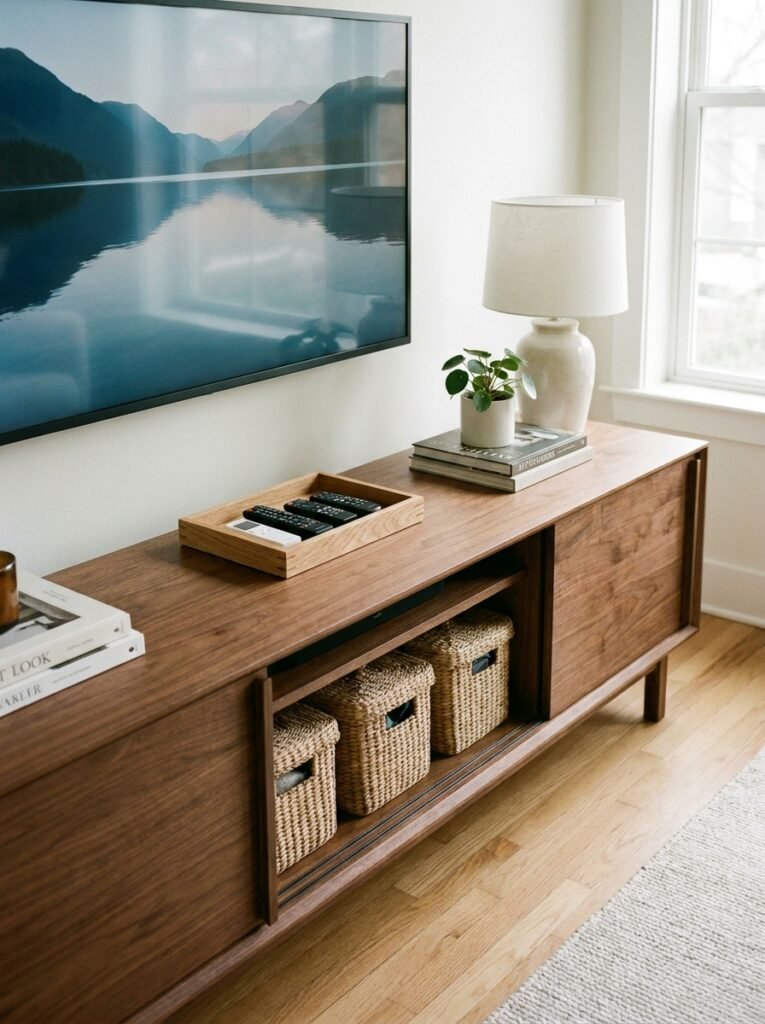
Cords, chargers, remotes, cleaning products, and plastic packaging quietly drag down every room they appear in. Expensive-looking homes are not free of these things. They are simply better at hiding them.
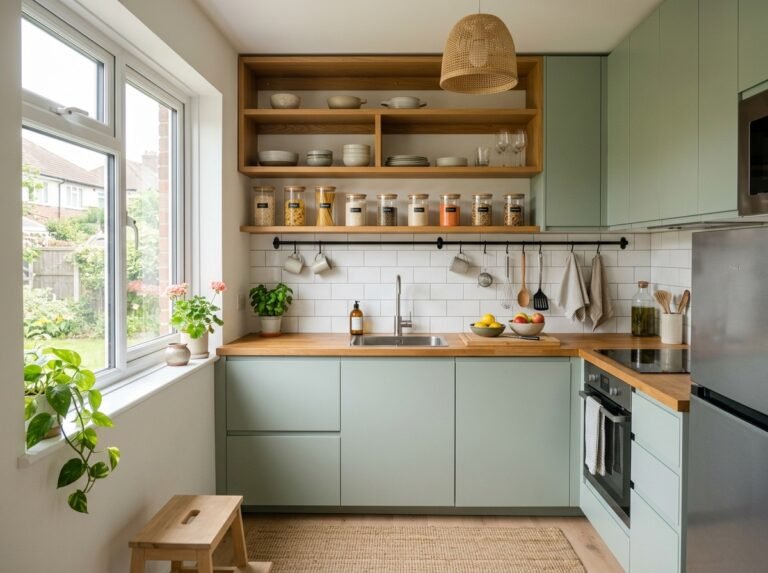
Route TV and lamp cords along walls with adhesive clips or cord covers. Corral remotes into a single tray or drawer. Decant frequently used items like hand soap into simple pump bottles, and move the branded plastic bottles under the sink. Store daily clutter in lidded baskets and boxes that read as decor.
Each hidden bit of visual noise raises the perceived quality of everything that remains visible. It is housekeeping as design strategy, and it costs almost nothing.
Finish the Details You Stopped Noticing
Every home accumulates small unfinished business that residents go blind to. Scuffed baseboards, a missing bulb, chipped paint on a door frame, a crooked switch plate, gaps in caulk around the tub. Guests register these details instantly, even unconsciously, and they read as neglect.
Walk through your home like a first-time visitor with a notepad. Touch up paint, replace dead bulbs, tighten the loose handle, re-caulk the bathroom edges, iron the curtains that have been wrinkled since they came out of the package.
A tube of caulk, a small pot of touch-up paint, and an afternoon of attention deliver a crispness that people interpret as quality throughout the entire home.
Practical Tips for Maximum Impact
A few strategic habits stretch these ten steps even further.
- Start with the rooms guests actually see, usually the entry, living room, and bathroom, where impact per effort is highest.
- Make one change at a time and live with it briefly, since expensive-looking homes evolve rather than appear overnight.
- Shop your own home first, because moving pieces between rooms often solves problems a purchase would.
- Learn the thrift and secondhand market for solid wood, ceramics, brass, and glass, materials that read as costly at any price.
- Keep finishes consistent within a room, matching your metals and wood tones so everything feels deliberate.
- Photograph your rooms occasionally, since a photo reveals clutter and imbalance that eyes have stopped seeing.
Common Mistakes to Avoid
The most common misstep is buying more decor to fix a room that actually needs less. Accessories multiply visual noise, and no purchase compensates for clutter. Subtract first, always.
Another frequent error is chasing trends piece by piece. A room assembled from whatever was fashionable each season ends up incoherent, while a room built around a consistent palette and a few timeless shapes holds its expensive look for years.
Mixing too many metal finishes and wood tones in one space creates quiet chaos. Pick a dominant metal and a dominant wood family per room and let everything else support them.
Finally, ignoring scale undermines everything else. A tiny rug floating under a sofa, small art on a big wall, or a small lamp on a large console all whisper budget. When choosing between sizes, going larger almost always looks richer.
Frequently Asked Questions
What makes a home look cheap?
Clutter, cold lighting, small rugs and art, visible cords and packaging, mismatched finishes, and unfinished details like chipped paint or dead bulbs. Most of these cost nothing to fix, which is why an expensive look depends more on editing than spending.
What is the cheapest way to make a house look expensive?
Decluttering is free and delivers the biggest shift. After that, warm light bulbs, curtains hung high and wide, and hiding cords and clutter cost almost nothing while transforming how considered a home feels.
Do expensive-looking homes need neutral colors?
No, but they need a disciplined palette. Two or three colors repeated deliberately look intentional whether they are soft neutrals or rich jewel tones. It is the coherence, not the specific colors, that reads as expensive.
How do I make a rental look expensive?
Focus on the removable upgrades, including lighting, curtains hung high on tension or damage-free hardware, large art, plants, textured layers, and relentless clutter control. Every step in this guide works in a rental except possibly hardware swaps, and even those reverse in minutes if you keep the originals.
Is it worth buying one expensive statement piece?
One quality anchor per room, such as a solid wood table or a great rug, elevates everything around it and often outperforms several mid-range purchases. Buy it secondhand and the math gets even better.
Conclusion
An expensive-looking home is really a considered-looking home. Space to breathe, warm layered light, generous curtains, a disciplined palette, honest textures, and details that show care all combine into that unmistakable feeling of quality, and not one of them demands a large budget.
Start with the free steps, decluttering, editing your colors, and rehanging what you own. Add the small-money upgrades like bulbs, hardware, and oversized art as you go. Within a few weekends, the home you already have will carry itself like one worth far more, and you will have spent your money only where it genuinely counts.